 Skip to content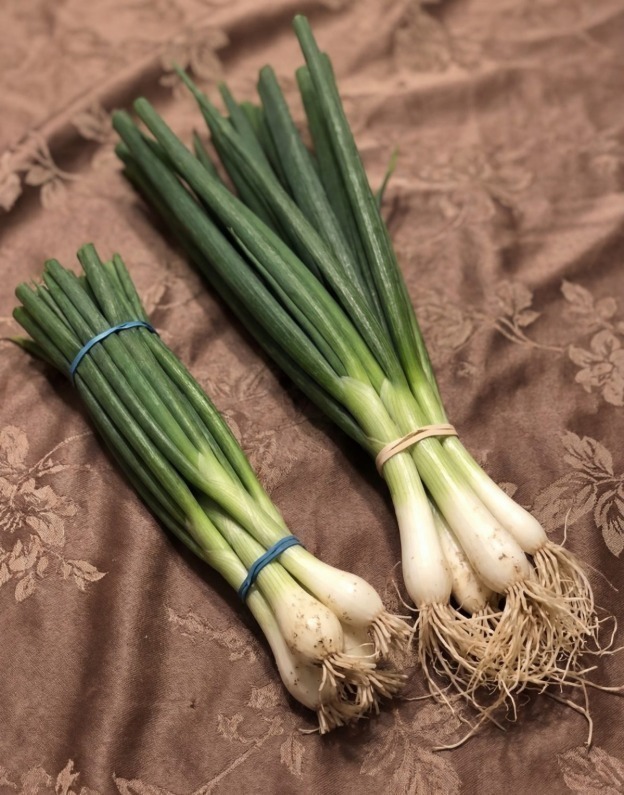
To get the most out of these ingredients:
1. Use the green tops for freshness
They are perfect for garnishing soups, noodles, and salads.
2. Use the white base for flavor
The white part carries most of the onion-like taste.
3. Don’t overcook them
Overcooking can reduce flavor and make them mushy.
4. Add at the right time
- Raw dishes → add at the end
- Cooked dishes → add near the end of cooking
🌍 Nutritional Benefits You Might Not Know
Beyond taste, green onions and spring onions are surprisingly healthy.
They contain:
- Vitamin C (supports immunity) 🛡️
- Vitamin K (supports bone health) 🦴
- Antioxidants (help fight oxidative stress) ✨
- Low calories (great for weight-conscious diets) ⚖️
This makes them a smart addition to almost any meal.
🔥 Final Verdict: Are They the Same or Not?
Here’s the simple answer:
- Green onions and scallions = basically the same thing
- Spring onions = a more mature, stronger version
So while they look similar and belong to the same family, they are not always identical in taste or maturity.
The confusion is mostly due to naming differences across regions—not actual major botanical differences.
🧾 Conclusion
Next time you’re cooking and see green onions, scallions, or spring onions, you won’t need to guess anymore. You’ll know exactly what you’re dealing with—and how to use them like a pro chef.
Whether you want a mild crunch or a bold onion kick, choosing the right type can subtly improve your dish in a big way.