 Skip to content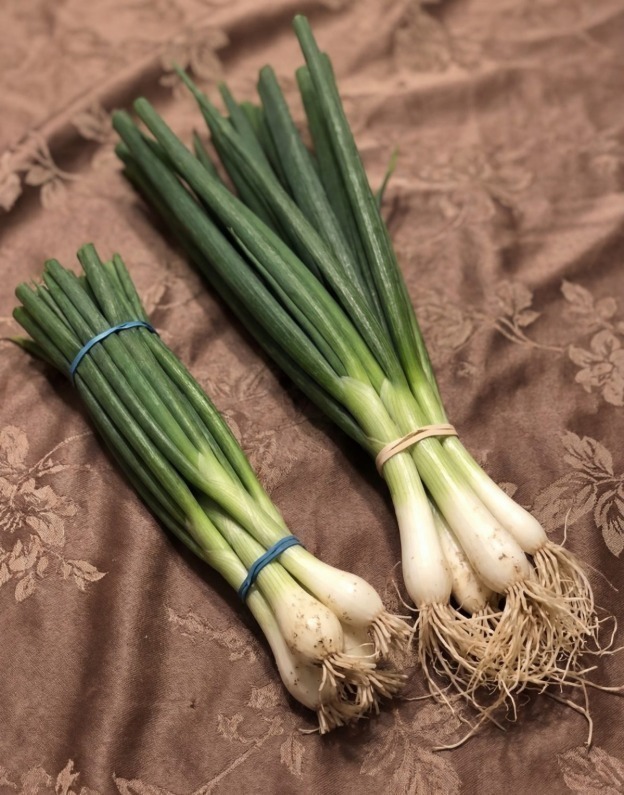
If you’ve ever been at the grocery store staring at a bunch of long green stalks labeled “green onions” and wondered whether they are the same as scallions—or if “spring onions” are something completely different—you are definitely not alone. This is one of the most confusing food naming issues in kitchens around the world.
At first glance, they all look almost identical: long green leaves, white bulbs at the bottom, and a fresh onion-like smell. But here’s where things get interesting—while they are extremely similar, they are not always exactly the same thing. The differences are subtle, but they matter depending on how you cook.
Let’s break it down clearly so you never get confused again in the grocery aisle.
🧠 First, What Are Green Onions?
Green onions are young onions harvested before the bulb fully develops. They are known for their mild flavor, crisp texture, and versatility in cooking.
They typically have:
- A small white base (slightly bulb-like)
- Long green hollow stalks
- A mild onion taste (not sharp or overpowering)
Green onions are commonly used in:
- Salads 🥗
- Soups 🍲
- Stir-fries 🍜
- Garnishes on tacos, noodles, and eggs 🍳
They are popular because they add onion flavor without the strong bite of mature onions.
🌿 So What Are Scallions?
Here’s the key point that clears up most confusion:
👉 In many countries, scallions and green onions are actually the same thing.
Yes—this is where language creates confusion, not science.
In places like the United States and many international markets:
- “Scallions” = “Green onions”
They refer to the same young onion plant harvested early before bulb formation.
So if you see either name in a recipe, you can usually substitute one for the other without any problem.
🌱 Then What Are Spring Onions?