 Skip to content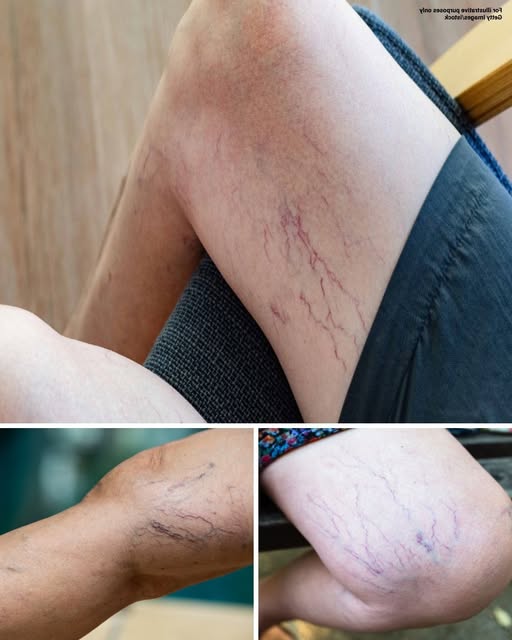
Health experts note that purple veins are often a visual indicator of underlying circulatory patterns. They recommend:
- Regular checkups: Especially for individuals over 40 or with family history
- Monitoring symptoms: Track any pain, swelling, or skin changes
- Lifestyle integration: Combining diet, movement, and weight management can significantly reduce vein issues
Many people don’t realize that vein health reflects overall cardiovascular health, so paying attention to these signals early can improve both circulation and longevity.
Myths About Purple Veins
There are several misconceptions:
- Myth 1: Purple veins only appear in older adults.
Fact: They can appear at any age due to genetics, lifestyle, or hormonal factors. - Myth 2: Only women get purple veins.
Fact: Men can develop varicose veins too, especially with sedentary work or obesity. - Myth 3: They are always painful.
Fact: Many purple veins are painless, but discomfort may develop if left untreated.
Understanding the facts helps reduce unnecessary worry and promotes proactive health management.
Final Thoughts
Purple veins on your legs are more than a cosmetic concern—they are visible signs of your circulatory system at work. While genetics and aging play a role, lifestyle factors such as activity level, diet, and weight management also significantly impact vein health.
By adopting healthy habits, staying active, and monitoring symptoms, you can support vein health, reduce discomfort, and prevent progression. Remember, healthy veins are not only important for your legs—they are essential for overall circulatory and cardiovascular well-being. 🦵💜
Taking early action today can mean pain-free, strong, and healthy legs for years to come.