 Skip to content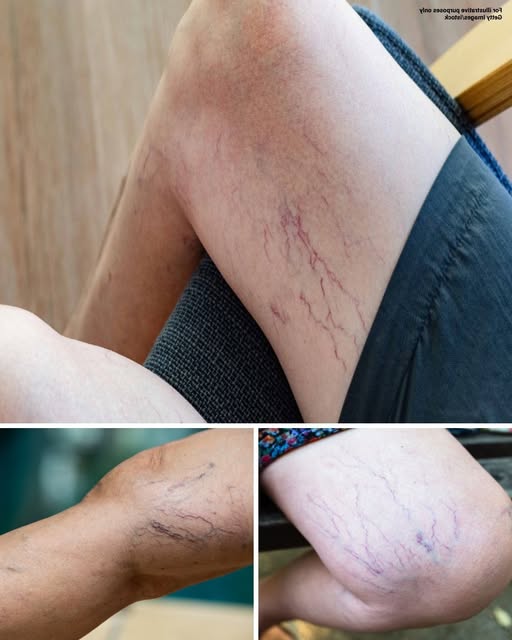
Have you ever looked at your legs and noticed purple, blue, or reddish veins appearing, often in a twisted or web-like pattern? While many people dismiss them as a cosmetic issue, these veins—commonly known as varicose veins or spider veins—can actually reveal important clues about your circulatory health, lifestyle, and even long-term well-being.
Understanding why these veins appear, what they might indicate about your health, and how to care for your legs can empower you to improve circulation, prevent complications, and maintain healthier, more comfortable legs.
What Causes Purple Veins? 🟣
Purple veins typically appear due to weakened or damaged vein valves, which allow blood to pool instead of flowing efficiently back to the heart. Over time, this leads to:
- Visible twisted veins under the skin
- Purple, blue, or reddish coloration
- Mild swelling or discomfort in some cases
Several factors contribute to the development of these veins, including:
- Genetics: A family history of varicose veins increases your likelihood of developing them.
- Age: Vein walls lose elasticity as you get older, making them more prone to bulging.
- Prolonged standing or sitting: Pressure builds up in leg veins when circulation is restricted.
- Hormonal changes: Pregnancy, menopause, or hormonal treatments can weaken vein walls.
- Obesity or weight gain: Extra weight increases pressure on your veins.
- Sedentary lifestyle: Lack of movement limits the leg muscles’ ability to push blood back toward the heart.
What Purple Veins Reveal About Your Health
While often harmless, purple veins can indicate more than just cosmetic concerns. They are signals from your body that your circulatory system needs attention.
1️⃣ Circulatory Health Awareness 🫀
Purple veins may suggest that your circulatory system is under stress. Poor circulation can result in:
- Fatigue in the legs
- Heaviness or cramping
- Swelling or discomfort
Recognizing these early signs can help you take action before more serious vascular problems develop, such as chronic venous insufficiency or deep vein thrombosis.
2️⃣ Risk for Varicose Veins ⚠️
Purple veins can eventually develop into larger varicose veins, which may cause pain, discomfort, and skin changes around the ankles. These veins may also be more prone to clotting. Early intervention can reduce progression and prevent complications.
3️⃣ Sedentary Lifestyle Indicators 🪑
If your daily routine involves long periods of sitting or standing, your veins may struggle to circulate blood efficiently. Purple veins can serve as a warning to move more, stretch regularly, and strengthen leg muscles.
4️⃣ Hormonal Influence 🌸
Hormonal changes, especially in women, can weaken vein walls. Purple veins may appear during pregnancy, menopause, or after hormonal treatments, reflecting the body’s natural vascular adjustments.
5️⃣ Dietary and Lifestyle Connections 🍽️
High-sodium diets, poor hydration, and lack of physical activity can all increase pressure in your veins and make purple veins more likely to appear. This means that some purple veins are lifestyle indicators, suggesting that minor changes could improve overall vascular health.
Symptoms That Require Attention