 Skip to content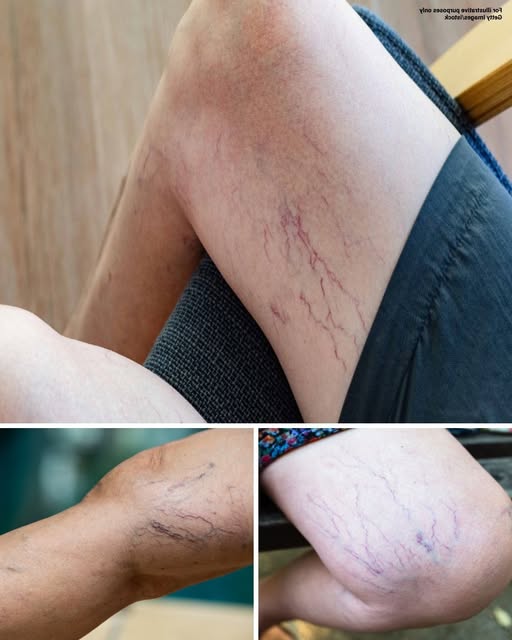
While many purple veins are harmless, certain symptoms may indicate the need for medical consultation:
- Swelling in the legs, ankles, or feet
- Persistent aching, heaviness, or burning sensations
- Skin discoloration, itchiness, or ulcers near veins
- Sudden pain, redness, or warmth (could indicate blood clots)
If you notice these symptoms, it’s crucial to seek professional advice from a vascular specialist to prevent serious complications.
How to Improve Vein Health Naturally
Even if genetics play a role, lifestyle changes can significantly reduce the progression of purple veins and improve leg comfort:
- Exercise Regularly 🏃♀️ – Walking, cycling, swimming, or yoga strengthens leg muscles and improves blood flow.
- Elevate Your Legs 🛋️ – Raising your legs above heart level several times a day reduces pressure in the veins.
- Wear Compression Stockings 🧦 – These support veins, prevent blood pooling, and reduce swelling.
- Maintain a Healthy Weight ⚖️ – Reduces pressure on veins and improves circulation.
- Take Frequent Movement Breaks ⏳ – Avoid prolonged sitting or standing; walk and stretch every hour.
- Eat a Vein-Friendly Diet 🥗 – Include foods high in vitamin C, vitamin E, bioflavonoids, and fiber to strengthen vein walls.
- Stay Hydrated 💧 – Proper hydration improves circulation and reduces vein strain.
Medical Treatments for Persistent or Severe Cases
For those with more severe varicose or spider veins, medical treatments may be recommended:
- Sclerotherapy: Injection of a solution to collapse smaller veins
- Laser Therapy: Non-invasive treatment for spider veins
- Vein Stripping or Ablation: Surgical or minimally invasive procedures for severe cases
Consult a vascular specialist to determine the most appropriate option for your condition.
Preventive Tips for Everyone
Even if your veins are currently healthy, simple habits can protect your legs and support circulation:
- Stay active every day
- Avoid crossing your legs while sitting
- Practice good posture while standing
- Limit high-sodium foods to prevent swelling
- Stretch regularly, especially if you have a desk job
These habits support long-term vascular health and can prevent purple veins from developing in the first place.
Additional Insights From Experts