 Skip to content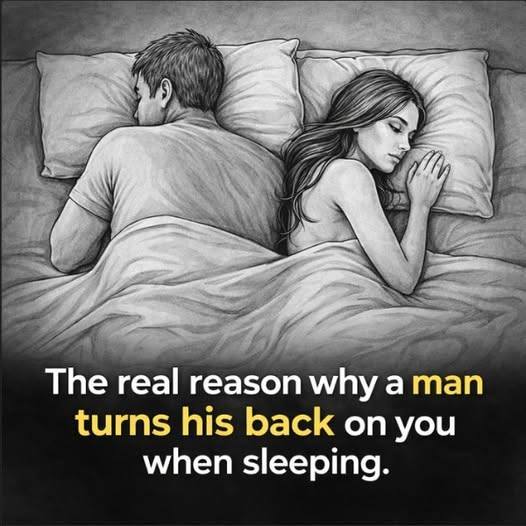
Psychologists emphasize that sleep behavior is a poor indicator of relationship health because:
- It is unconscious
- It is driven by physical needs
- It varies night to night
👉 A person can deeply love their partner and still prefer sleeping turned away.
🧠 WHEN IT MIGHT BE A SIGN OF SOMETHING ELSE
While usually harmless, changes in sleep behavior combined with other signs may reflect stress or emotional state:
- Increased emotional distance during the day
- Reduced communication
- Ongoing relationship tension
- Stress or anxiety
👉 Even then, sleep position alone is NOT evidence of anything serious.
💬 WHAT ACTUALLY MATTERS IN A RELATIONSHIP
Instead of focusing on sleep position, stronger indicators of relationship health include:
❤️ Communication
Do you talk openly and honestly?
🤝 Emotional connection
Do you feel understood and supported?
🕒 Quality time
Do you still enjoy moments together?
🧠 Conflict resolution
Do you solve problems respectfully?
👉 These are far more meaningful than how someone sleeps.
🛌 HEALTHY PERSPECTIVE ON SLEEP HABITS
Healthy couples often:
- Sleep in different positions
- Change positions during the night
- Adjust for comfort independently
👉 Sleeping habits are personal, not relational signals.
🌟 FINAL THOUGHTS
If your partner turns their back while sleeping, it usually means one simple thing: they are trying to sleep comfortably.
It does not automatically mean rejection, emotional distance, or loss of love. Interpreting sleep behavior too deeply can create unnecessary worry.
Real relationship strength is built during waking hours—through communication, trust, and emotional connection—not sleep positions.
👉 Instead of reading meaning into nighttime habits, focus on how you treat each other when you are both awake and aware.
Healthy relationships are not defined by how people sleep—but by how they connect in daily life.