 Skip to content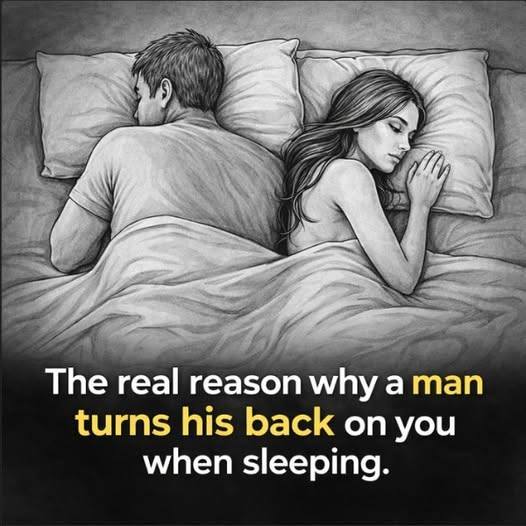
Many people look for meaning in small relationship behaviors, especially when emotions are involved. One common question is whether a partner turning their back while sleeping means distance, anger, or loss of love.
The short answer is: sleep positions are rarely a reflection of relationship feelings. In most cases, they are linked to comfort, body temperature, sleep quality, and natural habits—not emotional rejection.
Let’s break down what science and psychology actually say.
🧠 1. SLEEP POSITION IS MAINLY ABOUT COMFORT, NOT EMOTIONS
When people sleep, the brain prioritizes:
- Comfort
- Temperature regulation
- Spinal alignment
- Deep rest
👉 This means your partner’s sleeping position is usually about physical comfort, not emotional distance.
Many people naturally turn away during sleep without even realizing it.
💤 2. DIFFERENT SLEEP STAGES CHANGE BODY MOVEMENT
Sleep is not still. It has cycles:
- Light sleep
- Deep sleep
- REM sleep (dreaming stage)
During these cycles:
- The body shifts position naturally
- Movement happens without awareness
- People may turn multiple times during the night
👉 So turning away is often just part of normal sleep behavior.
🌡️ 3. TEMPERATURE AND PERSONAL SPACE MATTER
Body heat plays a big role in sleep comfort.
Your partner may turn away because:
- They feel too warm
- They prefer cooler airflow
- They need more personal space at night
👉 This is especially common in warmer climates or under thick blankets.
🧠 4. HABIT AND PERSONAL SLEEP STYLE
Everyone has a natural sleep pattern developed over years.
Some people:
- Sleep on their side facing away
- Prefer more space while sleeping
- Move into “fetal” or side positions naturally
👉 These habits often have nothing to do with their partner.
❤️ 5. DOES IT MEAN EMOTIONAL DISTANCE?
In most cases: NO.