 Skip to content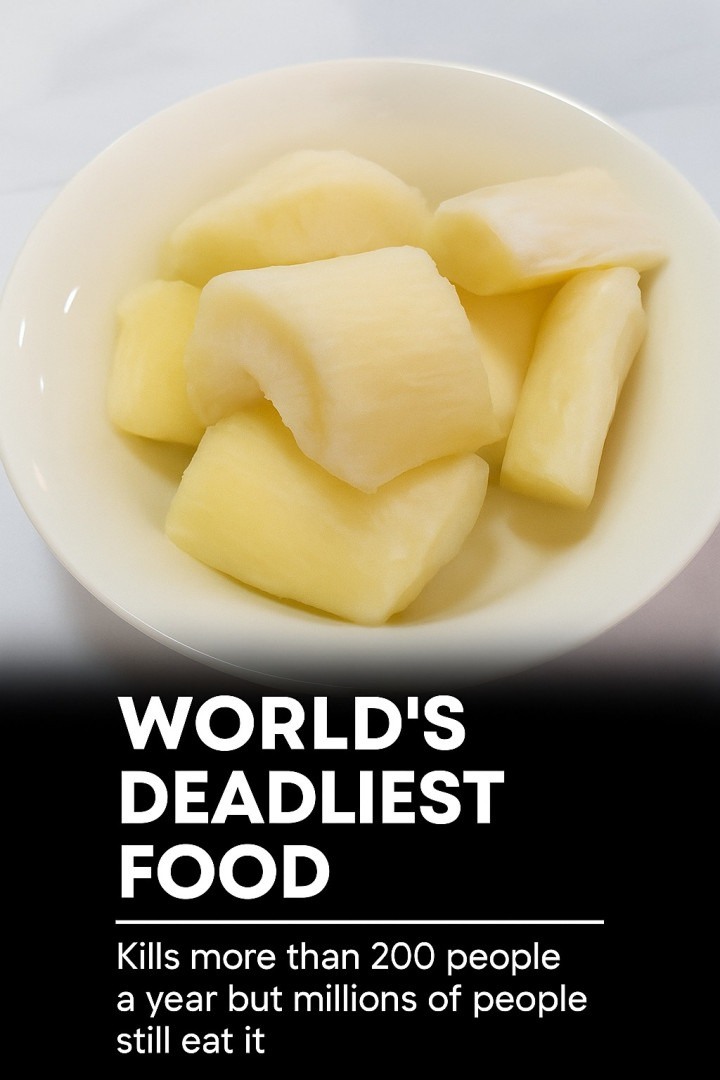
Most poisoning cases related to cassava happen in situations where:
- People consume it raw or undercooked
- Improper processing methods are used
- Food safety knowledge is limited
- Emergency food situations force unsafe consumption
This is why education about safe preparation is so important.
🥗 Safe Eating Habits You Should Always Follow
While most people do not prepare cassava at home in risky ways, this topic highlights general food safety rules:
✔ Always cook unfamiliar foods properly
✔ Avoid eating raw wild plants or roots
✔ Follow traditional or expert preparation methods
✔ Be cautious with exotic or unknown foods
✔ Learn about food sources before consuming them
Good food safety habits protect your health and prevent unnecessary risks.
🌍 Why This Topic Matters Globally
Cassava and similar foods highlight a global issue: food safety education.
In many regions, these foods are essential for survival, but lack of proper knowledge can lead to health risks. That is why governments and health organizations often focus on:
- Teaching safe food preparation
- Improving agricultural practices
- Raising awareness about natural toxins
Understanding these foods helps save lives.
💡 Final Thoughts
The idea of a “deadly food” may sound shocking, but the truth is more complex. Foods like cassava are not inherently dangerous—they only become risky when handled incorrectly.
At the same time, they are also lifelines for millions of people around the world, providing essential nutrition and energy.
This is what makes them so fascinating: they represent both danger and survival at the same time.
The key takeaway is simple:
👉 Knowledge is the difference between danger and safety.
When we understand how food works, how it should be prepared, and how it affects the body, we can enjoy even the most unusual foods safely and responsibly.
So the next time you hear about “deadly foods,” remember—it is not always the food itself that is dangerous, but the lack of knowledge behind it. ☠️🌿✨