 Skip to content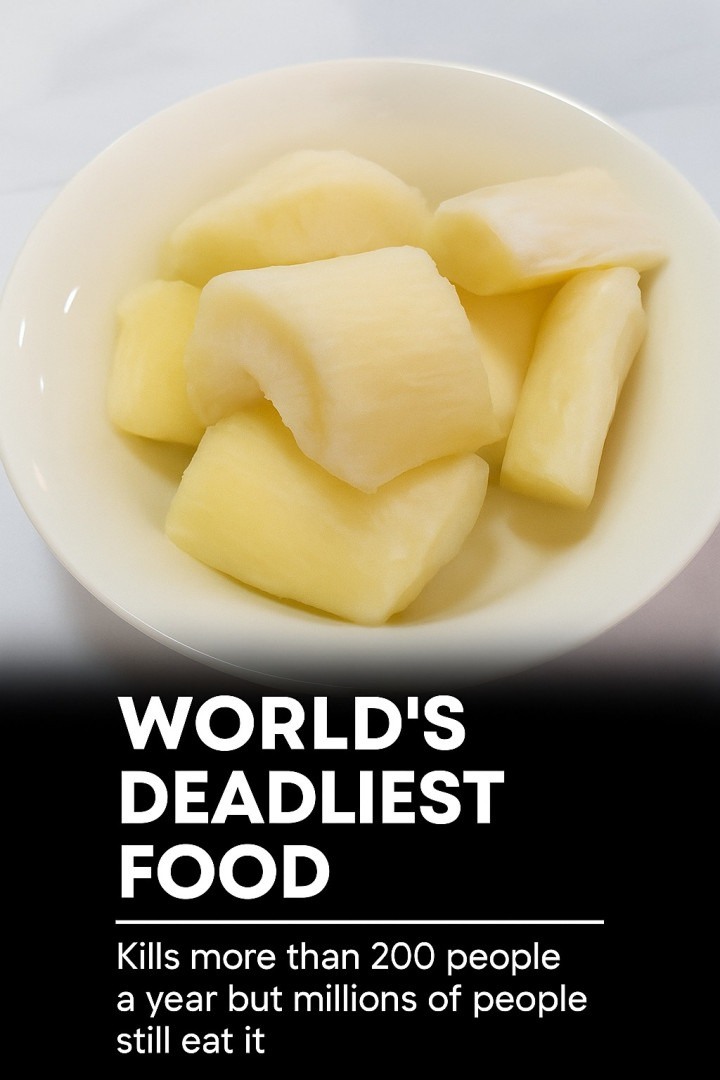
✔ It is highly affordable
✔ It grows in poor soil conditions
✔ It provides a strong source of energy (carbohydrates)
✔ It can survive drought conditions
For many communities, cassava is not just food—it is survival.
The key difference is that these communities use traditional processing methods that significantly reduce toxicity.
🧪 How Is It Made Safe to Eat?
Around the world, cassava is made safe through careful preparation methods passed down for generations.
These methods include:
- Peeling the root properly
- Soaking it in water for extended periods
- Fermenting it naturally
- Cooking it thoroughly (boiling, baking, or drying)
These steps help remove harmful compounds and make cassava safe for consumption.
💡 Important insight:
The danger is not the food itself—but skipping the safety process.
🐡 What About Other Dangerous Foods?
Cassava is not the only example. Another well-known dangerous food is pufferfish (fugu), popular in Japanese cuisine.
Pufferfish contains a powerful toxin called tetrodotoxin, which can be extremely dangerous if the fish is not prepared by specially trained and licensed chefs.
Because of this:
- Only certified professionals are allowed to prepare it in many countries
- Even small mistakes can be serious
- It remains a rare and carefully controlled delicacy
This shows how some foods require expert handling to be safe.
🧠 Lessons From These Foods
The existence of foods like cassava and pufferfish teaches us an important lesson:
👉 Natural does not always mean harmless
👉 Proper preparation is just as important as the ingredient itself
Many foods we eat every day contain natural compounds that must be processed correctly before consumption.
⚠️ Who Is Most at Risk?