 Skip to content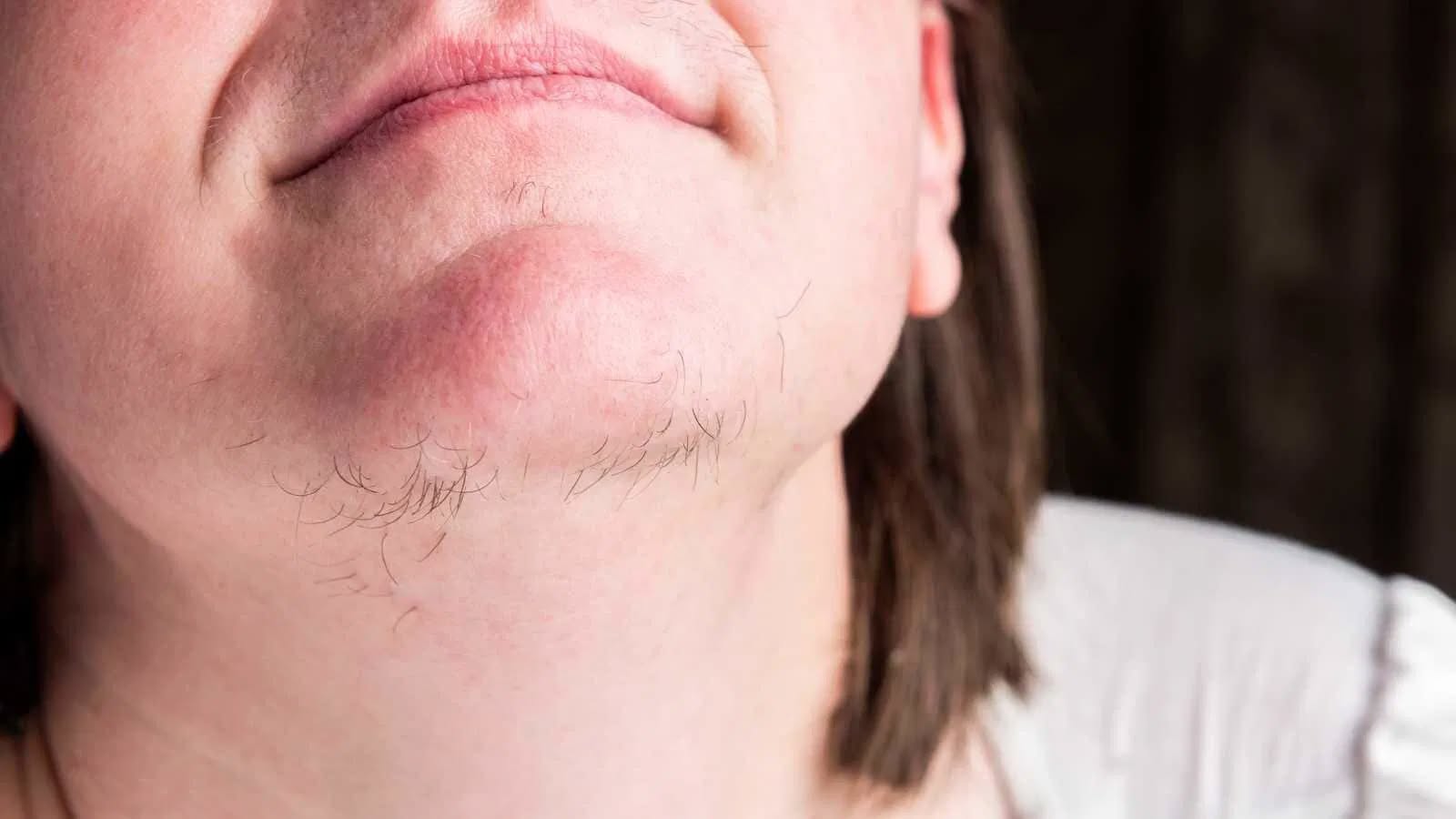
Several additional factors can influence chin hair growth:
💊 Medications
Certain medications may affect hormone balance and hair growth patterns.
⚖️ Weight and Insulin Resistance
Higher insulin levels can influence androgen activity in the body.
😴 Stress and Lifestyle
Chronic stress can indirectly affect hormonal balance, although its effect on hair growth is usually mild.
🪒 7. Should You Remove Chin Hair?
Hair removal is a personal choice and does not affect the underlying hormones.
Common methods include:
- Tweezing
- Threading
- Waxing
- Laser hair removal
Each method has pros and cons:
- Tweezing: precise but temporary
- Waxing: longer-lasting but may irritate skin
- Laser: longer-term reduction but requires multiple sessions
Removing hair is cosmetic—it does not treat the hormonal cause.
🧘 8. When to See a Doctor
It may be worth consulting a healthcare professional if chin hair is accompanied by:
- Sudden increase in facial or body hair
- Irregular menstrual cycles
- Severe acne
- Fertility concerns
- Other hormonal symptoms
A doctor may check hormone levels and rule out conditions like PCOS or thyroid imbalance.
🌿 9. The Important Reality
Chin hair in women is extremely common. In most cases, it is:
- Normal
- Genetic
- Age-related
- Or due to natural hormone fluctuations
It does not define health, femininity, or beauty. It is simply one of many ways the body naturally varies from person to person.
🌈 Final Thoughts
Chin hair is often misunderstood, but it is usually not a sign of anything serious. While hormones can influence it, so can genetics and natural aging.
The key takeaway is this: your body is constantly changing, and small changes like facial hair are often part of normal biology—not a warning sign.
Understanding the difference between normal variation and true hormonal imbalance helps reduce unnecessary worry and encourages a healthier relationship with your body.