 Skip to content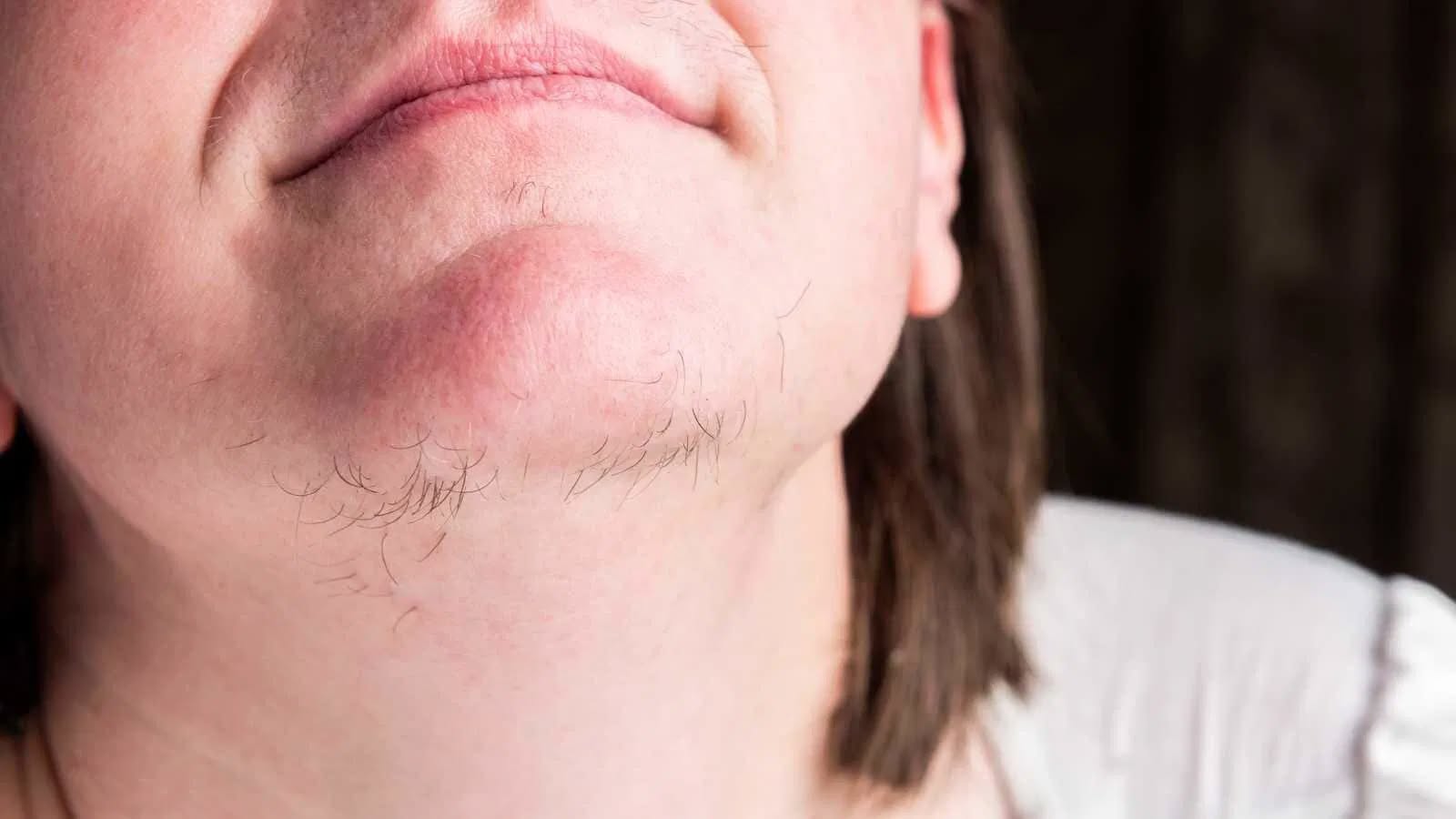
Chin hair in women is something many people notice at some point in life, yet few openly talk about it. It can appear as a few fine strands or become thicker and more visible over time. Naturally, this raises questions: Is it normal? Is it hormonal? Does it mean something is wrong?
The truth is more nuanced—and far less alarming than internet myths suggest. Chin hair is often linked to hormones, but it is also influenced by genetics, age, and natural biological changes in the body.
Understanding what it really means helps reduce unnecessary worry and gives a clearer picture of what your body might be doing.
🧬 1. Hormones and Hair Growth: The Basic Connection
Hair growth in the body is controlled mainly by two types of hormones:
- Estrogen (female hormone)
- Androgens (male-type hormones present in both men and women)
Women naturally produce both, but in different balances.
When androgen levels become slightly more active—or when the body becomes more sensitive to them—hair can grow in areas like:
- Chin
- Upper lip
- Jawline
- Neck
This type of hair is called terminal hair, which is thicker and darker than fine facial hair.
So yes—chin hair can be related to hormones, but it does not automatically mean there is a serious problem.
🌿 2. Is Chin Hair Normal in Women?
In many cases, yes.
A small amount of facial hair is completely normal and affects a large number of women. Hormonal fluctuations happen naturally throughout life, especially during:
- Puberty
- Pregnancy
- Postpartum period
- Perimenopause and menopause
During these phases, estrogen levels shift, and androgen activity can become relatively more noticeable.
This is why chin hair often becomes more visible with age—it is part of natural hormonal change, not necessarily a disorder.
⚖️ 3. When Chin Hair Might Indicate Hormonal Imbalance
In some cases, increased facial hair can be associated with hormonal conditions. One of the most common is:
🧬 Polycystic Ovary Syndrome (PCOS)
Polycystic Ovary Syndrome is a hormonal condition that can affect ovulation and androgen levels.
Other signs that may appear alongside chin hair include:
- Irregular menstrual cycles
- Acne or oily skin
- Thinning hair on the scalp
- Weight changes
- Increased body hair growth
However, chin hair alone does not confirm any condition. Many women experience it without having any underlying disorder.
🧠 4. Genetics Play a Huge Role
Hormones are not the only factor. Genetics strongly influence how your body responds to them.
If women in your family naturally have:
- Slight facial hair
- Thicker body hair
- Darker hair growth patterns
…then you are more likely to experience the same.
In such cases, hormone levels may be completely normal—the follicles are simply more sensitive to natural androgen levels.
🌸 5. Age-Related Hormonal Shifts
As women age, estrogen levels gradually decline, especially during perimenopause and menopause. When this happens:
- Estrogen decreases
- Androgen effects become more noticeable
This shift can lead to:
- New chin hairs
- Thicker facial hair
- Changes in skin texture
This is a normal biological process, not necessarily a medical issue.
🧴 6. Other Possible Contributing Factors