 Skip to content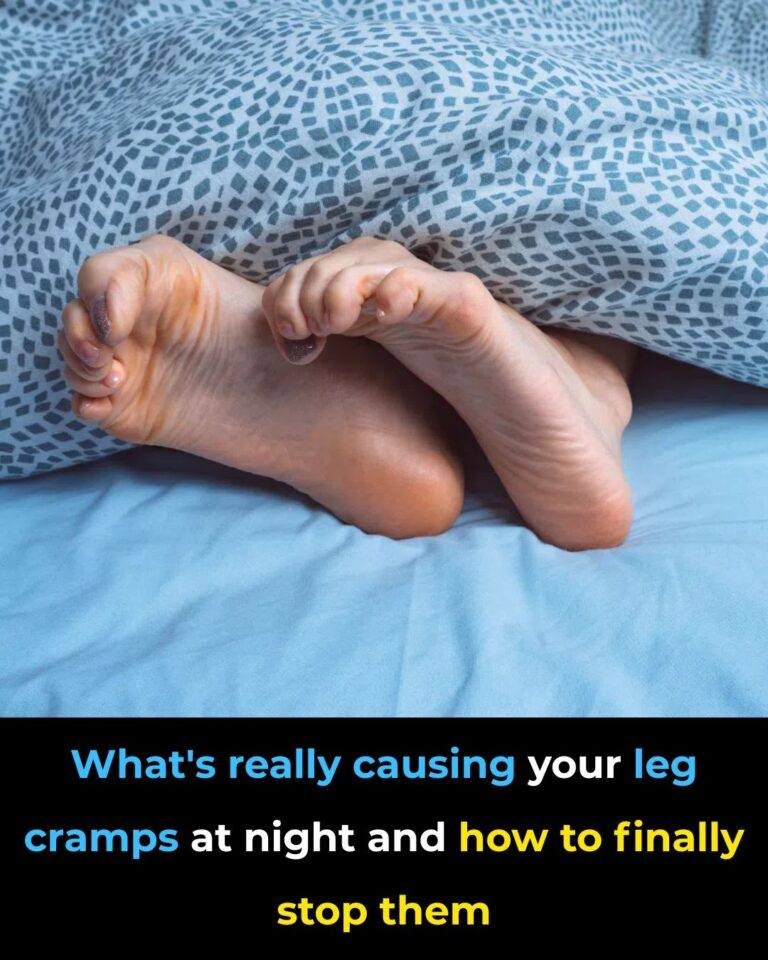
When a cramp strikes, the goal is to gently relax the muscle.
🦶 1. Stretch the Muscle
For calf cramps:
- Straighten your leg
- Pull your toes toward your body
- Hold the stretch for 20–30 seconds
🖐️ 2. Massage the Area
Gently rub the cramped muscle to improve blood flow and relaxation.
🌡️ 3. Apply Heat or Cold
- Heat relaxes tight muscles
- Cold reduces pain after the cramp eases
🚶 4. Walk Slowly
Standing up and walking gently can help reset the muscle.
🌿 Natural Prevention Methods
Preventing cramps is more effective than treating them repeatedly.
💧 1. Stay Properly Hydrated
Drink enough water throughout the day, not just at night. Herbal teas or water with lemon can also help maintain hydration.
🥗 2. Eat Mineral-Rich Foods
Focus on foods that support muscle function:
- Bananas (potassium)
- Leafy greens (magnesium)
- Dairy products (calcium)
- Nuts and seeds
🧘 3. Stretch Before Bed
A simple 5–10 minute routine can significantly reduce cramps:
- Calf stretches
- Hamstring stretches
- Light yoga poses
🛌 4. Improve Sleep Position
Sleeping positions can affect circulation:
- Avoid pointing toes downward for long periods
- Keep legs slightly elevated if possible
- Use a supportive mattress
🚶 5. Stay Active During the Day
Regular movement improves circulation and muscle health:
- Walking
- Light exercise
- Stretch breaks every hour
🧠 Hidden Triggers People Often Ignore
Sometimes cramps are linked to subtle habits:
- Excess caffeine late in the day
- Alcohol consumption
- Low physical activity
- Wearing tight bedding that forces foot position
- Stress and fatigue
Stress, in particular, can increase muscle tension without you noticing.
💡 When Night Cramps May Need Medical Attention
Occasional cramps are common, but consult a healthcare professional if you notice:
- Frequent nightly cramps
- Severe pain or swelling
- Weakness in the legs
- Cramps lasting unusually long
- No improvement despite lifestyle changes
These may indicate underlying issues such as circulation problems or nutrient deficiencies.
🌙 Final Thoughts
Night leg cramps are painful but usually manageable once the root causes are understood. In most cases, they are linked to hydration, mineral balance, circulation, or daily habits.
The good news is that small lifestyle changes—like stretching, drinking enough water, and improving diet—can make a big difference.
Your muscles respond best to consistency. When you take care of them during the day, they are far less likely to “protest” at night.
Better sleep starts with better muscle care—and prevention is always easier than waking up in pain.