 Skip to content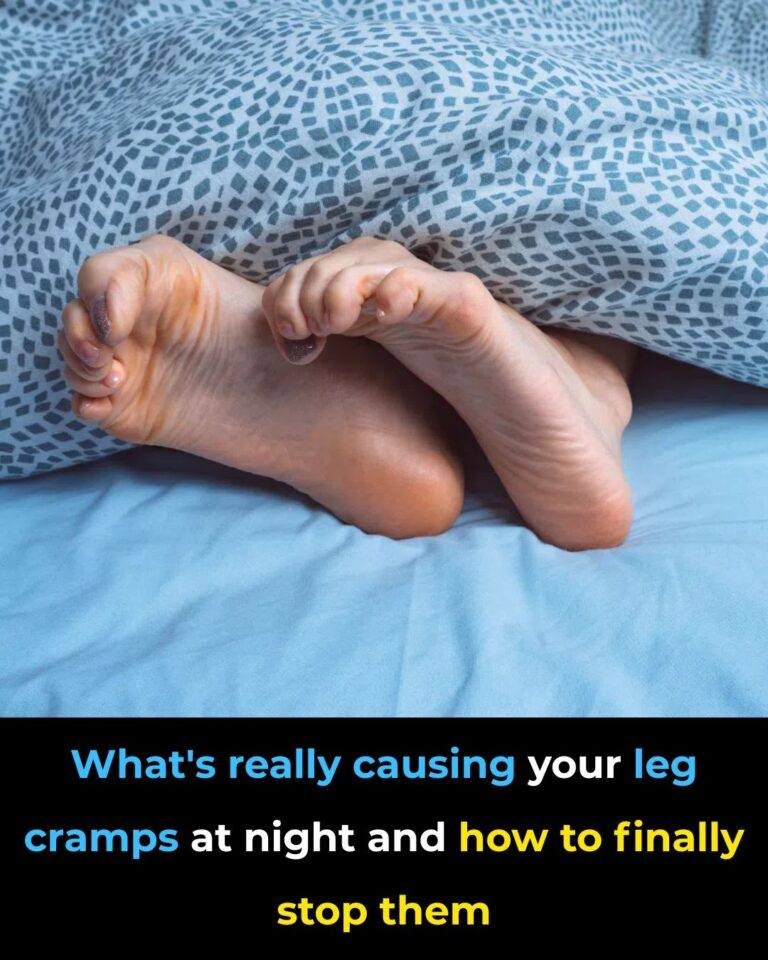
Waking up suddenly in the middle of the night with a sharp, tightening pain in your leg can be an alarming experience. Night leg cramps—often called “charley horses”—are sudden, involuntary muscle contractions that can last from a few seconds to several minutes. The pain can be intense enough to disturb sleep and leave the muscle sore afterward.
While occasional cramps are usually harmless, frequent nighttime leg cramps may signal lifestyle factors, nutritional imbalances, or circulation issues that need attention.
Understanding why they happen is the first step toward preventing them.
🧠 What Exactly Are Night Leg Cramps?
Night leg cramps are sudden spasms of the muscles, most commonly in the:
- Calves
- Feet
- Thighs
They often occur when you are asleep or resting. The muscle tightens uncontrollably and refuses to relax for a short period, causing sharp pain.
Unlike restless leg syndrome (which causes discomfort and movement urges), cramps involve actual muscle contraction and stiffness.
⚠️ Common Causes of Night Leg Cramps
There is rarely just one cause. In most cases, multiple factors contribute.
💧 1. Dehydration
One of the most common triggers is not drinking enough fluids during the day. Muscles need proper hydration to function smoothly. When the body is dehydrated, nerve signals can misfire, leading to cramps.
Signs related to dehydration:
- Dry mouth
- Dark urine
- Fatigue
- Muscle tightness
🧂 2. Electrolyte Imbalance
Electrolytes like magnesium, potassium, calcium, and sodium help muscles contract and relax properly.
A deficiency can lead to:
- Sudden spasms
- Muscle twitching
- Night cramps
Common causes of imbalance:
- Poor diet
- Excess sweating
- Certain medications
🛋️ 3. Sitting or Standing Too Long
Long hours of inactivity can reduce blood flow to the legs. When muscles stay in one position for too long, they become more likely to cramp when you finally relax at night.
This is especially common in:
- Office workers
- Drivers
- People with sedentary lifestyles
🦵 4. Poor Blood Circulation
Reduced circulation means muscles don’t receive enough oxygen and nutrients. This can trigger nighttime cramps, especially in older adults or people with vascular issues.
🧓 5. Age-Related Muscle Changes
As we age:
- Muscle mass decreases
- Tendons become less flexible
- Nerve function slows slightly
These changes increase the likelihood of cramps, especially during sleep.
💊 6. Certain Medications
Some medications can increase cramp risk, such as:
- Diuretics (fluid loss)
- Statins (cholesterol medication)
- Certain asthma medications
If cramps started after new medication, it is worth discussing with a doctor.
🆘 Immediate Relief: What To Do During a Cramp