 Skip to content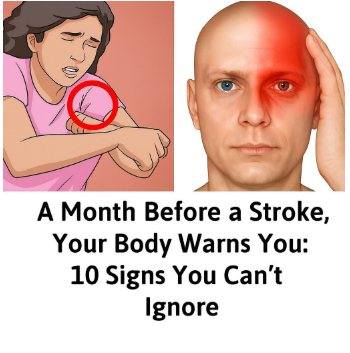
These symptoms may appear individually or together. In some cases, they can come and go—this is known as a “mini-stroke” or transient ischemic attack (TIA). Even if symptoms disappear quickly, they are a serious warning that a full stroke may follow.
Early medical attention can:
- Reduce brain damage
- Improve recovery chances
- Prevent future strokes
🛡️ Who Is at Higher Risk?
Certain factors increase stroke risk, including:
- High blood pressure
- Diabetes
- Smoking
- High cholesterol
- Obesity
- Lack of physical activity
- Family history of stroke or heart disease
Managing these risks can significantly lower the chances of a stroke.
💡 Final Thought
A stroke often gives warning signs before it happens. The challenge is recognizing them early enough to act.
Symptoms like sudden headaches, dizziness, speech problems, vision changes, or one-sided weakness are not things to ignore or “wait out.” They are signals from the body that something serious may be developing.
Listening to these early warnings and seeking medical attention quickly can make the difference between full recovery and long-term damage—or even save a life. 🧠❤️