 Skip to content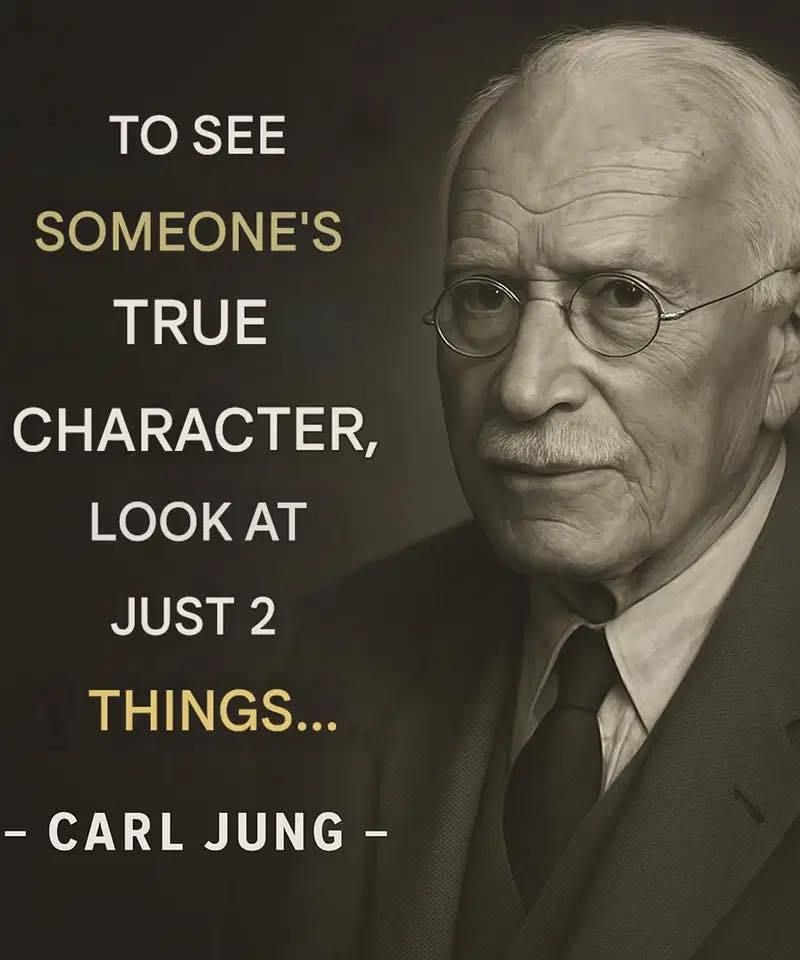
In life, people don’t always reveal who they truly are through words. In fact, many can speak kindly, act politely, and still hide parts of their real character behind behavior that only shows under certain conditions. That’s why psychologists often say: “Character is revealed, not declared.”
If you want to understand someone on a deeper level—whether it’s a friend, partner, colleague, or even a new acquaintance—there are two powerful areas you should observe closely. These aren’t complicated tests or psychological tricks. They are everyday behaviors that quietly expose who a person truly is when no one is watching closely.
Let’s explore these two key signs in detail.
🧭 1. How They Treat People Who Can Offer Them Nothing
One of the clearest reflections of a person’s character is how they treat those who cannot benefit them in any obvious way.
This includes:
- Waiters in restaurants
- Security guards or cleaners
- Strangers on the street
- Customer service workers
- People with lower social status or no influence in their life
Why is this so revealing?
Because when there is no advantage to gain, no status to impress, and no reward to expect, a person’s true attitude naturally surfaces. Respect in these moments is not performative—it is genuine.
A person with strong character will usually:
- Show patience, even in small inconveniences
- Speak respectfully regardless of someone’s role
- Acknowledge effort, even in simple services
- Maintain kindness without needing recognition
On the other hand, someone with poor character may:
- Be rude or dismissive when they feel “superior”
- Ignore or belittle service workers
- Become impatient over minor delays
- Treat kindness as optional depending on status
This behavior is not about wealth or education. It is about empathy and inner values.
Many psychologists suggest that consistent respect toward “invisible” people in society is one of the most reliable indicators of emotional maturity. Because when no social reward exists, only true personality remains.
⏳ 2. How They Behave When They Have Nothing to Gain or Lose
The second key observation is how a person acts when there is no clear benefit or consequence involved.
This includes moments when:
- No one is watching
- There is no competition
- There is no reward or punishment
- They are not trying to impress anyone
These situations reveal something very important: intrinsic values.
A person with strong character tends to:
- Do the right thing even when it is inconvenient
- Stay honest when lying would be easier
- Keep promises even when no one would know if they break them
- Show discipline in private, not just in public
Meanwhile, someone with weak character may:
- Only behave well when it benefits them
- Change opinions depending on what is convenient
- Break small commitments if there are no consequences
- Act differently in private than they do in public
This is where the difference between appearance and authenticity becomes clear.
In psychology, this is often linked to the concept of “integrity consistency”—how closely a person’s private behavior matches their public behavior. The smaller the gap, the stronger and more stable their character tends to be.
🧠 Why These Two Signs Matter So Much