 Skip to content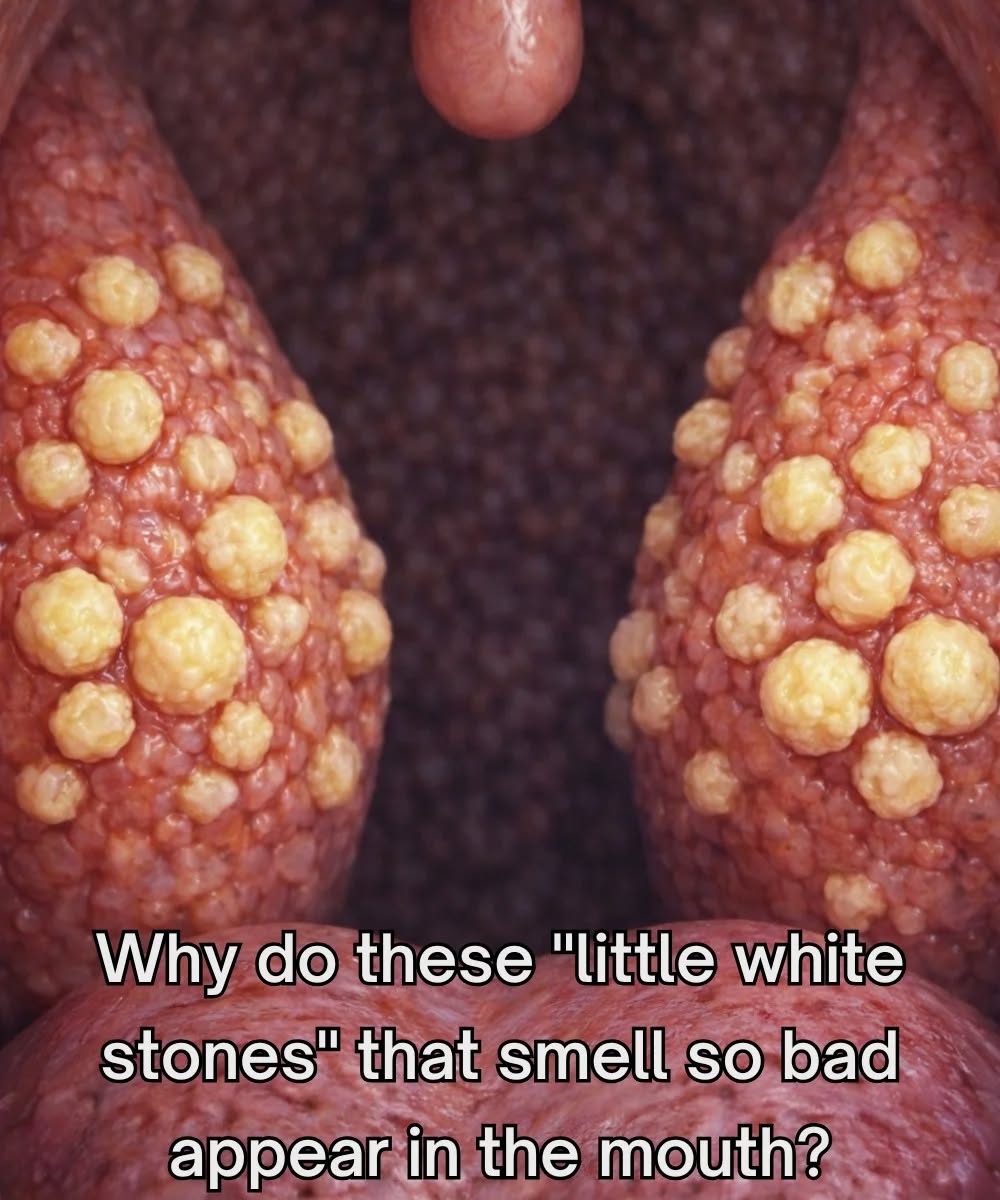
If you’ve ever felt a strange lump at the back of your throat and noticed persistent bad breath, you may be dealing with tonsil stones—tiny, smelly, white or yellowish formations that can be both uncomfortable and embarrassing. They are surprisingly common, affecting thousands of adults and even some teenagers, yet many people have never heard of them until they notice the unpleasant odor or the visible stones themselves.
In this article, we’ll dive deep into what these stones are, why they form, how to safely remove them, and most importantly, how to prevent them. By the end, you’ll know exactly what to do to keep your throat—and your breath—fresh.
What Are Tonsil Stones?
Tonsil stones, also called tonsilloliths, are small, calcified deposits that develop in the pockets of your tonsils. Your tonsils are lymphoid tissues located at the back of your throat, designed to trap bacteria and help fight infections. They contain small crevices, or tonsillar crypts, which can trap debris such as:
- Food particles
- Dead cells
- Mucus
- Bacteria
Over time, this debris can harden, forming small stones. These stones vary in size from tiny grains barely visible to the naked eye to larger, marble-sized stones. Some are soft, while others are hard and calcified.
Why Do Tonsil Stones Form?
Tonsil stones form due to a combination of anatomical factors, hygiene, and lifestyle habits. Here’s a breakdown:
- Anatomical Predisposition – People with deep tonsillar crypts are more prone to stone formation because there’s more space for debris to accumulate.
- Poor Oral Hygiene – Irregular brushing, flossing, and tongue cleaning can allow bacteria and food particles to accumulate in your mouth, increasing the risk of stones.
- Post-Nasal Drip – Mucus from sinus infections or allergies can drip down your throat, creating a sticky environment where bacteria and debris can cling.
- Frequent Throat Infections – Recurrent tonsillitis or other throat infections can enlarge crypts and make debris accumulation easier.
- Diet and Lifestyle – A diet high in sugar or dairy products can encourage bacterial growth. Smoking and dry mouth also make stones more likely to form.
Symptoms of Tonsil Stones