 Skip to content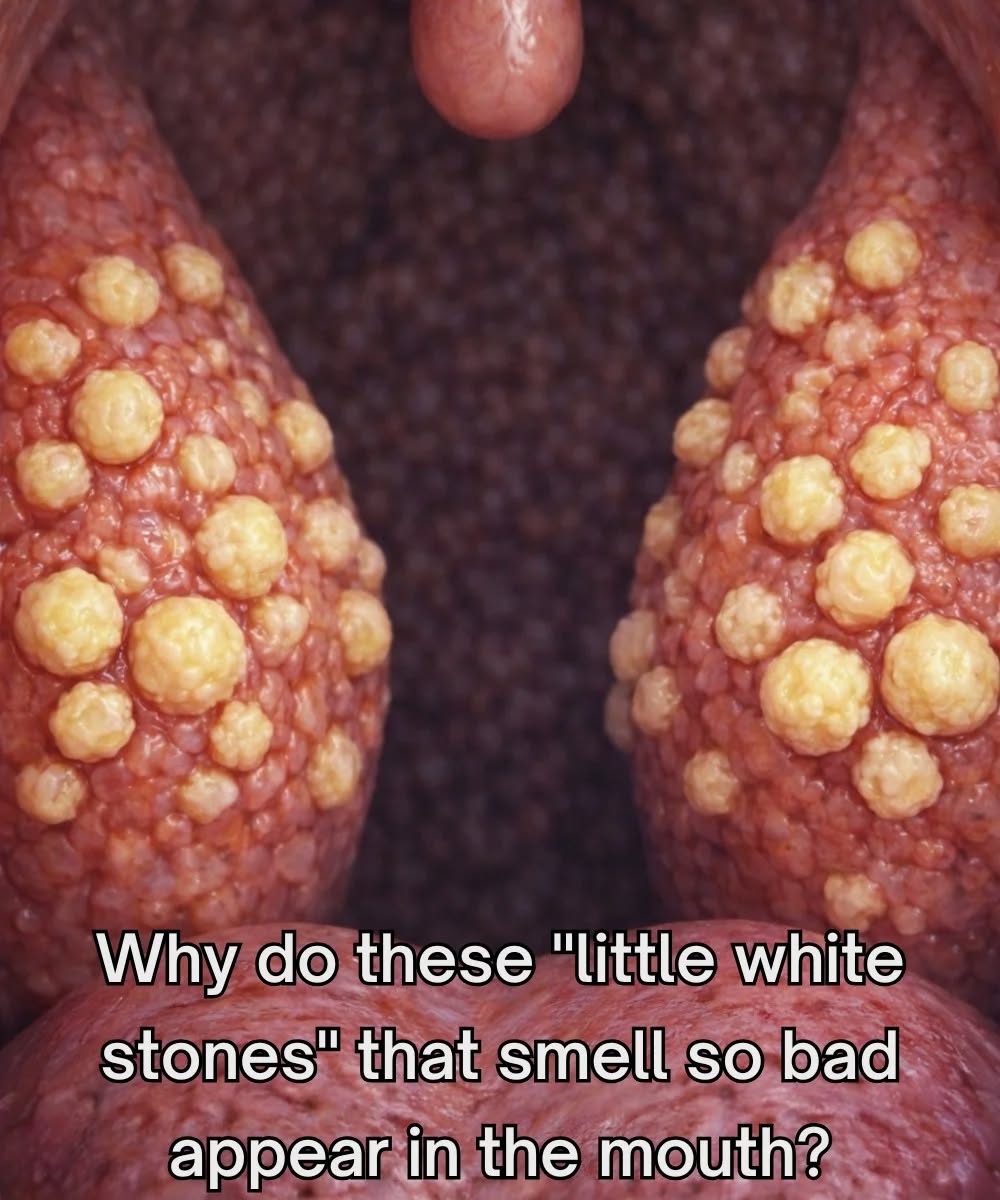
Not everyone with tonsil stones experiences symptoms. However, common signs include:
- Persistent bad breath (halitosis) – The most noticeable symptom, caused by bacteria breaking down debris in the stones.
- Sore throat – Irritation from the stones pressing against tonsil tissue.
- Ear pain – Referred pain due to shared nerve pathways between the tonsils and ears.
- White or yellow lumps – Visible at the back of the throat, especially under bright light.
- Metallic taste – A strange taste in the mouth due to bacterial activity.
Sometimes tonsil stones are small and go unnoticed, but large stones can make swallowing uncomfortable or cause a feeling that something is stuck in your throat.
How to Safely Remove Tonsil Stones
While some tonsil stones may fall out naturally when eating or coughing, others require removal. Here are safe and effective methods:
1. Gargling With Salt Water
- Mix 1 teaspoon of salt in a glass of warm water.
- Gargle for 30–60 seconds, making sure the solution reaches the back of your throat.
- Repeat several times a day to loosen debris and reduce bacteria.
2. Using a Cotton Swab or Finger
- Wash your hands thoroughly.
- Gently press near the stone using a cotton swab or clean finger.
- Avoid poking aggressively to prevent bleeding or infection.
3. Oral Irrigators or Water Flossers
- Devices like water flossers can gently flush debris from tonsillar crypts.
- Use on a low-pressure setting to avoid injury.
4. Professional Removal
- For large or stubborn stones, an ENT doctor can remove them safely.
- In severe cases, tonsillectomy may be recommended if stones are chronic and problematic.
5. Lifestyle Adjustments
- Drink plenty of water to prevent dry mouth.
- Avoid smoking, which can worsen bacterial growth.
- Maintain proper oral hygiene with brushing, flossing, and tongue scraping.
Preventing Tonsil Stones