 Skip to content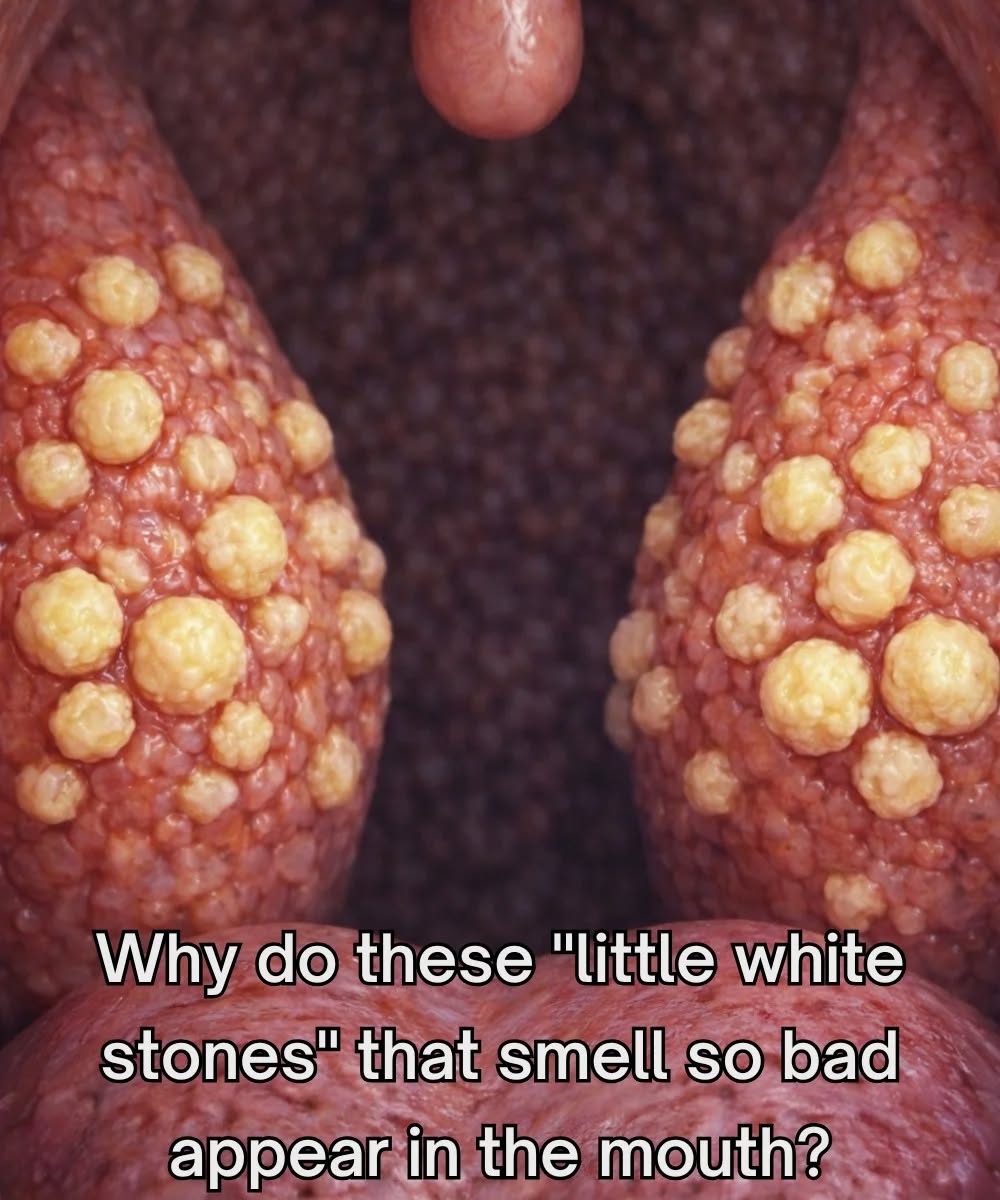
Prevention is easier than repeated removal. Here are expert-recommended tips:
- Daily Oral Hygiene – Brush twice daily, floss, and scrape your tongue to remove bacteria.
- Regular Gargling – Use salt water or antibacterial mouthwash to rinse debris away.
- Hydration – Drink enough water to keep your mouth moist.
- Dietary Choices – Reduce sugar intake to limit bacterial growth.
- Tonsil Care – If you are prone to stones, consider gentle cleaning with a cotton swab or water flosser once or twice a week.
- Check for Post-Nasal Drip – Treat sinus or allergy issues to reduce mucus accumulation.
Fun Facts About Tonsil Stones
- They are not contagious. You cannot “catch” tonsil stones from someone else.
- More common in adults than children due to larger tonsillar crypts.
- Some people are asymptomatic and never realize they have stones.
- Small stones can sometimes dislodge naturally when swallowing or coughing.
When to See a Doctor
Most tonsil stones are harmless, but medical attention is necessary if you experience:
- Frequent or large stones causing discomfort
- Recurrent tonsillitis or throat infections
- Difficulty swallowing or breathing
- Excessive bleeding from tonsils
An ENT specialist can evaluate chronic issues and suggest solutions ranging from professional removal to, in extreme cases, tonsillectomy.
Bottom Line
Those smelly white stones at the back of your throat may be annoying, but they are usually harmless. Good oral hygiene, regular gargling, proper hydration, and occasional careful removal can keep tonsil stones from forming or minimize their impact.
With this knowledge, you can breathe easy, speak confidently, and maintain fresh breath without constantly worrying about tiny stones lurking in your throat.