 Skip to content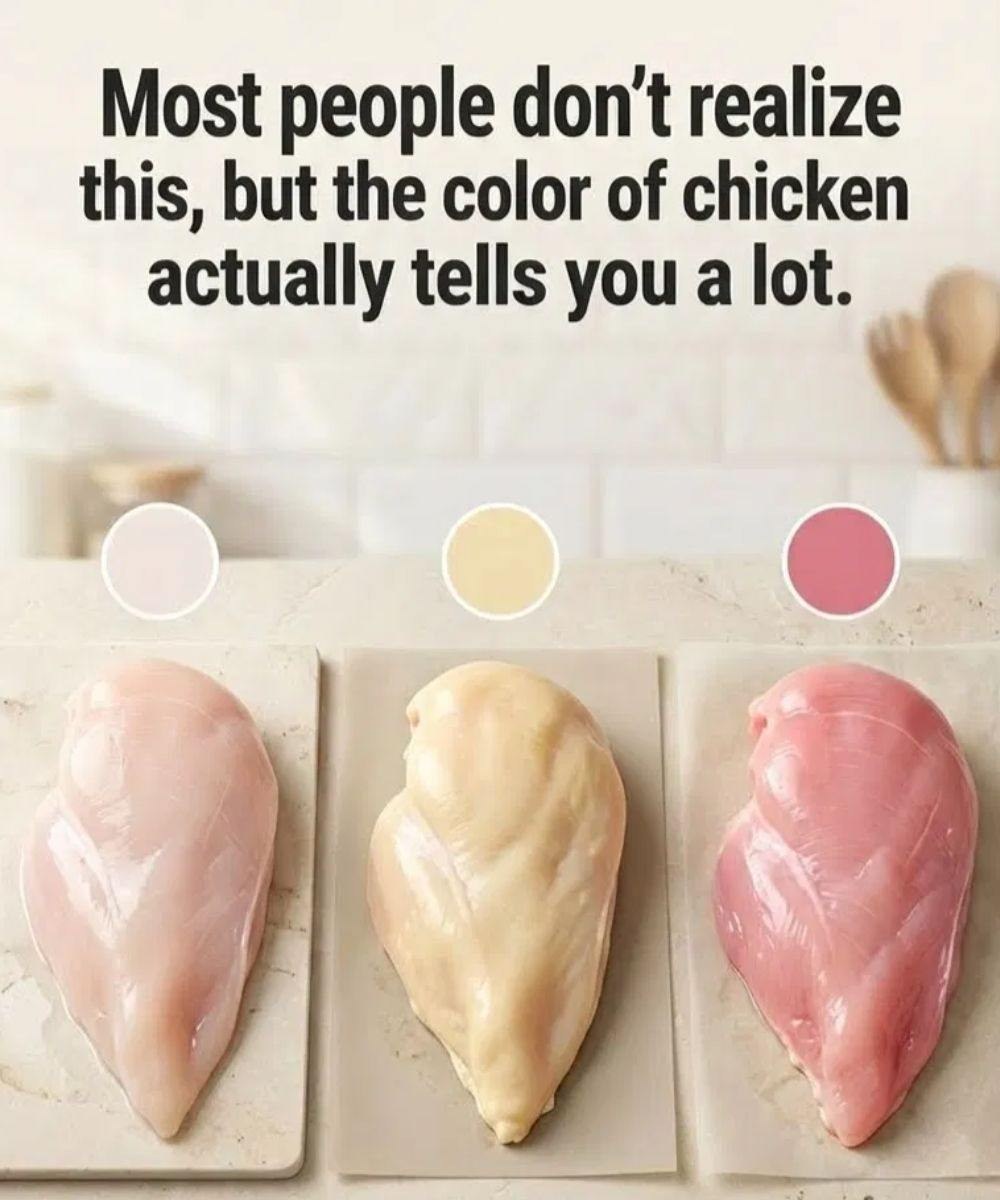
When buying chicken, many people still rely on appearance—especially the color of the meat or skin—to judge whether it is fresh, healthy, or “high quality.” But the truth is more complicated, and science shows that color alone is NOT a reliable indicator of chicken quality.
Let’s clear up the confusion in a simple, practical way.
🐔 1. Chicken Color Does NOT Directly Mean Quality
One of the biggest myths is:
- Light pink chicken = fresh
- Darker chicken = bad or unsafe
In reality, chicken color can vary naturally due to:
- Breed of the chicken
- Diet and nutrition
- Age at slaughter
- Muscle activity (more active muscles = darker meat)
So, color differences are often normal biological variation, not a quality problem.
🧬 2. Diet and Farming Conditions Affect Color
What a chicken eats can influence its appearance.
For example:
- Grain-fed chickens may look lighter
- Chickens with more natural movement may have darker, richer-colored meat
- Free-range chickens often show slight variation in tone
But none of these automatically determine safety or nutritional value on their own.
🧠 3. Freshness Is NOT Always Visible in Color
A common mistake is assuming that appearance equals freshness.
However, freshness depends more on:
- Storage temperature
- Time since processing
- Packaging and handling
Even chicken that looks “perfect” in color can still be unsafe if improperly stored.
This is why food safety standards are so important, especially in preventing bacterial risks such as Salmonellosis.
🧪 4. Color Changes Can Happen Naturally
Chicken meat may change color due to:
- Exposure to air (oxidation)
- Freezing and thawing
- Light exposure in packaging
- Different muscle types (white vs dark meat)
These changes do NOT always mean spoilage.
⚠️ 5. When Chicken Color IS a Warning Sign