 Skip to content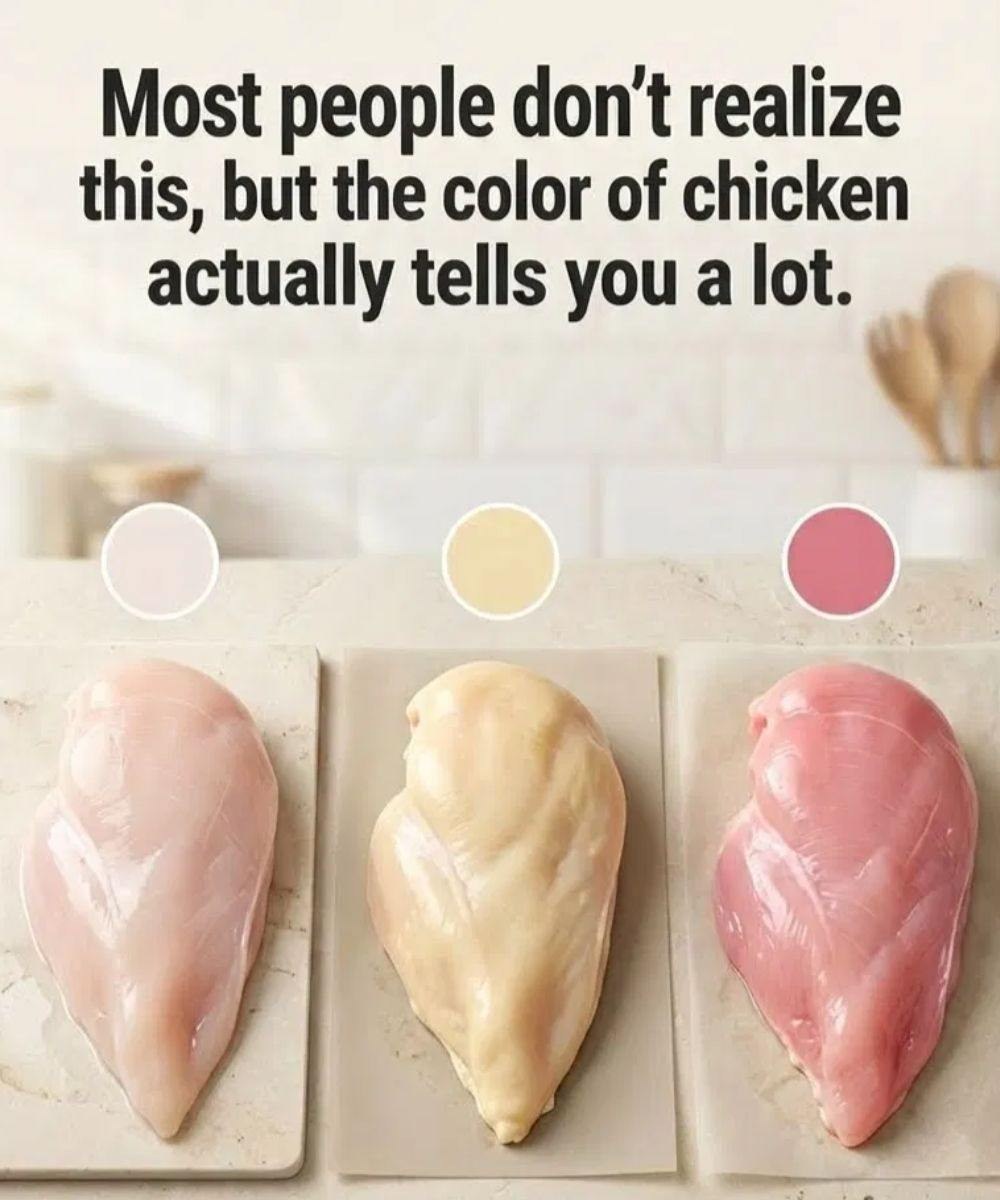
While color alone is unreliable, certain changes can indicate problems when combined with other signs.
Be cautious if you notice:
- Strong unpleasant odor
- Slimy or sticky texture
- Grey or greenish discoloration
- Packaging swelling or leaks
These are stronger indicators of spoilage than color alone.
🍽️ 6. White Meat vs Dark Meat: Why It Exists
Chicken naturally has two main types of muscle:
🍗 White meat (breast, wings)
- Used for short bursts of activity
- Lower myoglobin content
- Lighter color
🍖 Dark meat (legs, thighs)
- Used for sustained movement
- Higher myoglobin content
- Darker color
Neither type is “better” in terms of safety—they just serve different biological functions.
🧠 7. Why the Confusion Still Exists
People often assume:
- Darker = older or spoiled
- Lighter = more fresh or “premium”
But modern food science shows that appearance is only one small factor in quality assessment.
Marketing, tradition, and lack of food education also contribute to this misunderstanding.
🛒 8. What Actually Matters When Choosing Chicken
Instead of color, focus on:
- Proper refrigeration
- Expiration date
- Trusted source or supplier
- Clean packaging
- Safe storage at home
These factors are far more important than appearance alone.
💡 Final Thoughts
The idea that chicken color determines quality is a long-standing misconception. In reality, color variations are often natural and influenced by biology, diet, and processing methods.
So the key takeaway is simple:
👉 Don’t judge chicken by color alone—judge it by freshness, handling, and safety standards.
Understanding this helps you make smarter, safer food choices every day. 🍗✨