 Skip to content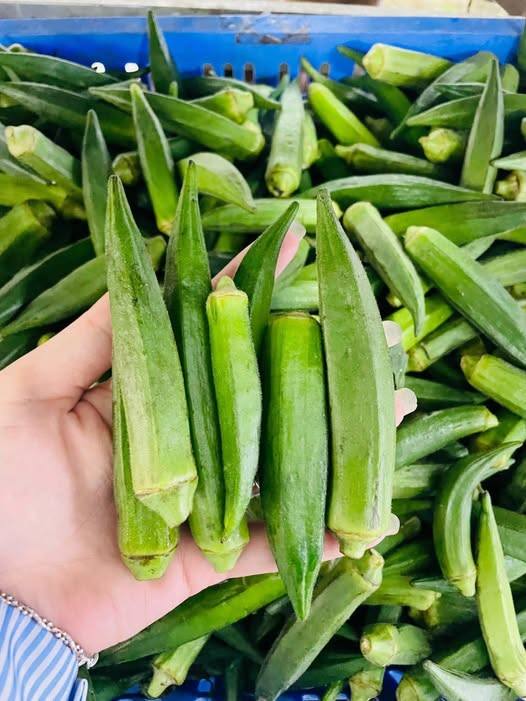
Okra—also known as lady’s finger or “bamya” in many countries—is a popular vegetable eaten in soups, stews, and fried dishes around the world. Recently, you may have seen dramatic claims like “Doctors reveal eating okra causes amazing health transformations!”
But what does science actually say?
The truth is more balanced: okra is a nutrient-rich vegetable that can support health in several ways—but it is not a miracle cure or a magic solution.
Let’s explore what really happens when you eat it regularly.
🌿 1. It Supports Healthy Digestion
Okra is rich in soluble fiber, which forms a gel-like substance in the gut.
This may help:
- Improve bowel movement regularity
- Support healthy gut bacteria
- Reduce constipation
- Promote smoother digestion
Because of this texture, okra is often used in traditional diets to support digestive comfort.
❤️ 2. It May Help Support Heart Health
Okra contains fiber and antioxidants that may help maintain cardiovascular health.
It can support:
- Healthy cholesterol balance
- Better blood fat control
- Improved heart function over time
Fiber-rich diets are generally linked to better heart health overall.
⚖️ 3. It May Help With Blood Sugar Balance
Okra has gained attention for its potential role in supporting blood sugar control.
Some studies suggest it may help slow sugar absorption in the gut, which can support more stable glucose levels.
However, it is NOT a replacement for medication or medical treatment for conditions like Diabetes mellitus.
🧬 4. It Is Rich in Nutrients
Okra contains several important nutrients, including:
- Vitamin C (supports immunity)
- Vitamin K (important for blood clotting)
- Folate (supports cell function)
- Magnesium and potassium (support muscles and nerves)
These nutrients contribute to overall wellness when included in a balanced diet.
🧠 5. It Contains Antioxidants
Okra is also rich in antioxidants, which help the body manage oxidative stress.
These compounds may support:
- Cellular health
- Healthy aging processes
- General immune support
But again, this is supportive nutrition—not a cure for disease.
⚠️ 6. Possible Downsides for Some People