 Skip to content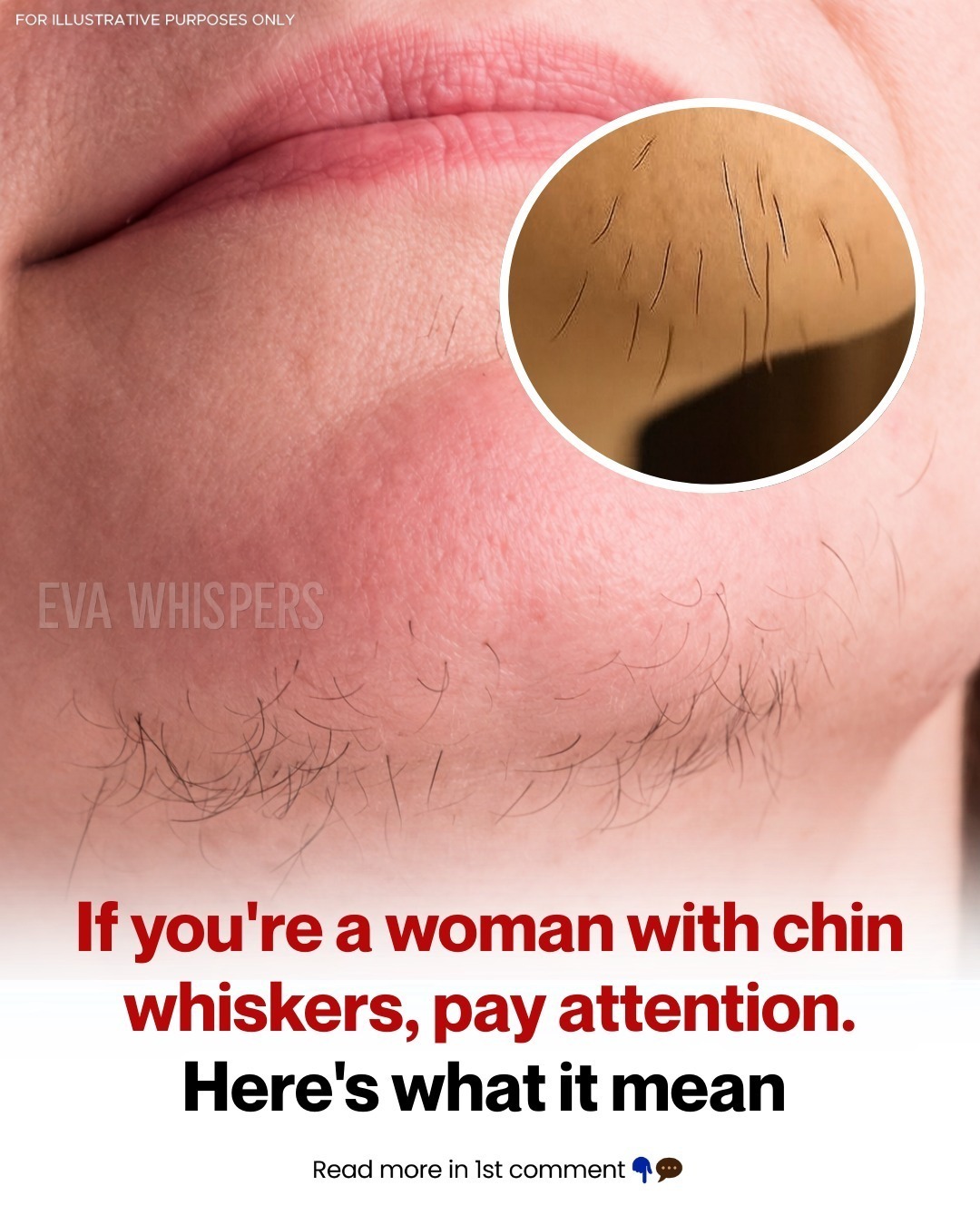
Noticing a few chin whiskers—especially if they appear suddenly or grow more noticeable over time—can make many people curious or even worried. Is it normal aging? Hormones? Or something about your health?
The truth is: chin whiskers are usually normal, but in some cases they can reflect hormonal changes in the body.
Let’s break it down clearly and realistically.
🌿 1. In Most Cases, It’s Completely Normal
A few chin hairs can appear due to:
- Natural aging
- Genetics
- Changes in hair follicle sensitivity
As people get older, especially after 30–40, hormone levels shift slightly, and fine facial hair can become more noticeable.
This is very common and not usually a sign of disease.
🧬 2. Hormonal Changes Play a Big Role
Chin whiskers are often influenced by androgens (male-type hormones present in both men and women).
Even small changes in hormone balance can affect hair growth patterns.
This may happen during:
- Puberty
- Pregnancy
- Perimenopause and menopause
- Stress-related hormonal shifts
⚖️ 3. When It May Be Linked to Hormonal Imbalance
In some cases, increased chin hair growth can be associated with hormonal conditions, such as excess androgen levels.
One condition that may be linked is Polycystic ovary syndrome.
Possible accompanying signs include:
- Irregular menstrual cycles
- Acne or oily skin
- Increased body or facial hair
- Weight changes
However, chin hair alone does NOT confirm any medical condition.
🧠 4. Genetics Matter More Than People Think
For many people, chin whiskers simply run in the family.
You may notice:
- Your mother, grandmother, or aunts also have them
- Hair growth patterns becoming more visible with age
- No other health symptoms at all
In these cases, it is purely genetic—not medical.
🧓 5. Aging and Hormonal Shift After 40–50
As estrogen levels naturally decline with age, especially during menopause, androgen effects can become slightly more noticeable.
This can lead to:
- New facial hairs
- Coarser hair texture
- Slight changes in hair distribution
This is a natural part of aging, not a disease.
⚠️ 6. When You Should Pay Attention