 Skip to content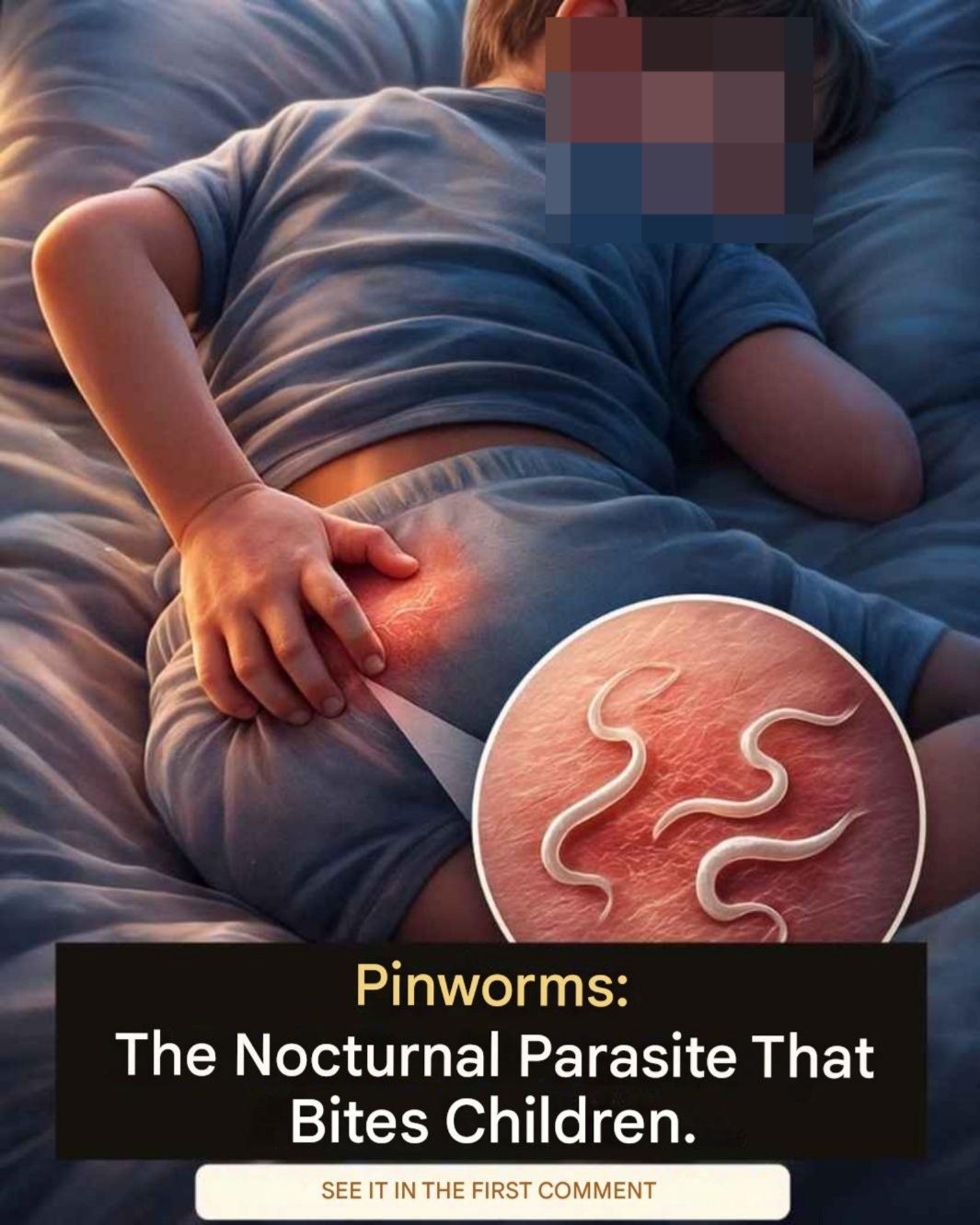
Pinworms are one of the most common intestinal parasites in children worldwide. While the name may sound alarming, the infection is usually treatable and rarely dangerous when properly managed. However, it can cause significant discomfort—especially at night—and spread easily within households.
Understanding how pinworms work, how they spread, and how to treat them is important for protecting children’s health and preventing reinfection.
🪱 What Are Pinworms?
Pinworms are tiny parasitic worms scientifically known as Enterobiasis, caused by the parasite Enterobius vermicularis. They live in the human intestines and are most commonly found in school-aged children, although adults can also be infected.
They are called “nocturnal” parasites because the female worms become active at night, moving to the area around the anus to lay eggs.
This is what causes the most noticeable symptom: intense itching.
🌙 Why It Itches More at Night
At night, when the body is relaxed, female pinworms migrate out of the intestine to lay eggs on the skin around the anal area.
This leads to:
- Strong itching
- Restless sleep
- Frequent waking during the night
Children may scratch the area without realizing it, which can spread the eggs to their hands, nails, bedding, and toys.
🧒 Common Symptoms in Children
Pinworm infections may sometimes show no symptoms, but when they do, the most common signs include:
- Persistent itching around the anus (especially at night)
- Difficulty sleeping or disturbed sleep
- Irritability or restlessness
- Loss of appetite in some cases
- Visible tiny white worms in stool or around the anus
Because symptoms are often worse at night, children may seem more tired or cranky during the day.
🔄 How Pinworms Spread So Easily
Pinworms are highly contagious. The eggs are microscopic and can survive on surfaces for days.
They spread through:
- Scratching the infected area and touching objects
- Contaminated hands (poor hand hygiene)
- Bedding, clothing, or towels
- Shared toys or surfaces
Once eggs are swallowed—often unknowingly—they travel to the intestines and hatch, restarting the cycle.
This is why entire families can sometimes become infected.
🧼 Why Hygiene Is So Important