 Skip to content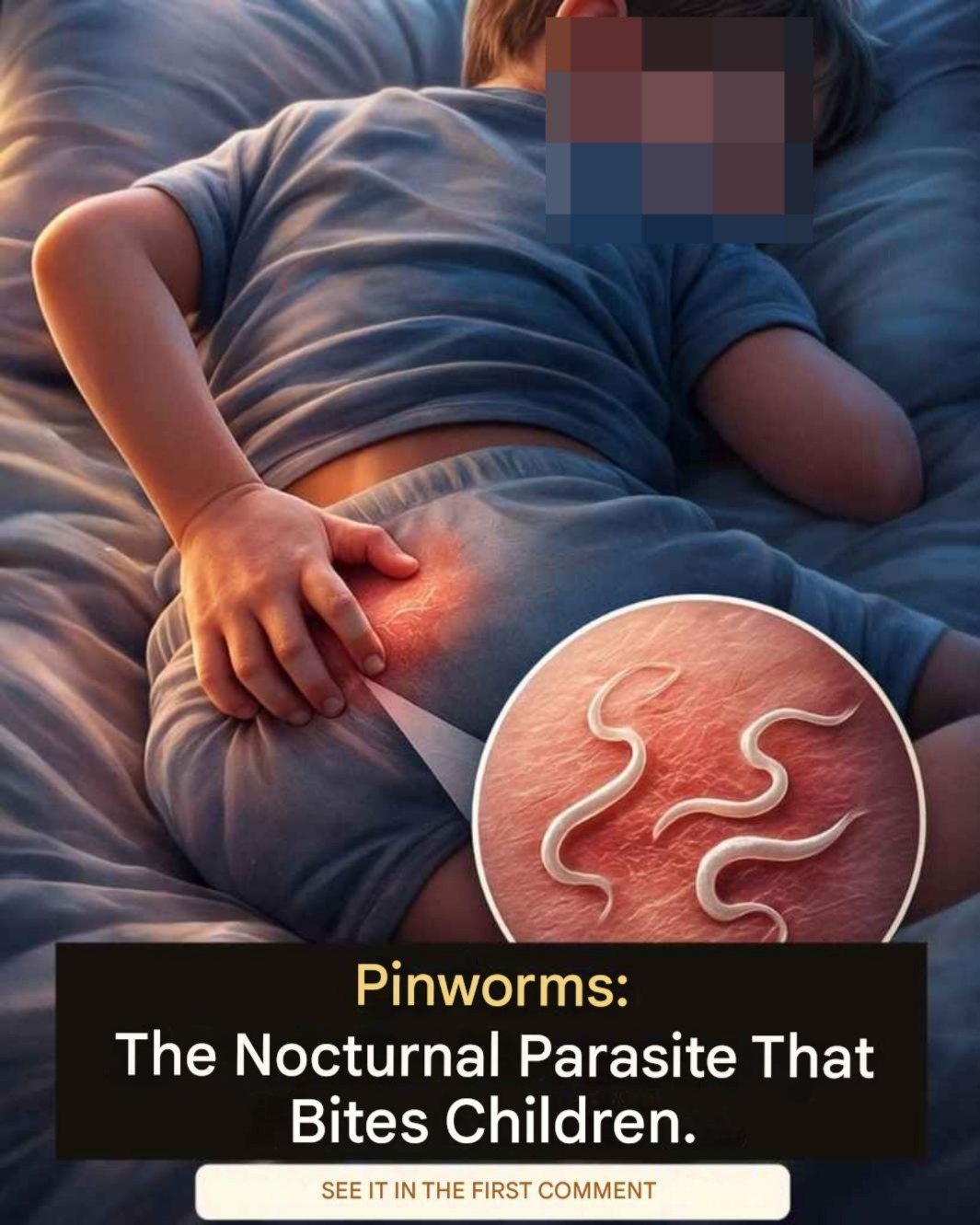
Pinworm infections are usually diagnosed based on symptoms, especially nighttime itching.
A common method used by parents and healthcare providers is the “tape test.” This involves pressing a piece of clear tape around the anal area early in the morning before bathing or using the toilet. Any eggs present may stick to the tape and can be seen under a microscope.
Because pinworms are so common and recognizable, doctors often begin treatment based on symptoms alone.
Treatment Options
Pinworm infections are treatable and usually clear up quickly with proper medication and hygiene practices.
Doctors typically prescribe anti-parasitic medications such as:
- Mebendazole
- Albendazole
- Pyrantel pamoate
These medications are usually given in one dose and repeated after two weeks to prevent reinfection.
It is important that all household members are treated at the same time, even if they do not show symptoms, because pinworms spread easily between people living together.
Preventing Reinfection
Even after treatment, reinfection is common if hygiene habits are not improved. Here are essential prevention strategies:
🧼 Frequent Handwashing
Teach children to wash hands thoroughly with soap and warm water, especially:
- After using the bathroom
- Before eating
- After playing outside
🛏️ Daily Morning Bathing
Bathing in the morning helps remove eggs laid overnight.
👕 Clean Clothing and Bedding
- Change underwear daily
- Wash pajamas, bed sheets, and towels in hot water
- Avoid shaking clothes or bedding, which can spread eggs into the air
✂️ Keep Nails Short
Eggs often get trapped under fingernails from scratching.
🚫 Avoid Nail Biting
This is one of the most common ways children reinfect themselves.
When Should Parents Be Concerned?
Pinworms are generally not dangerous, but medical advice should be sought if:
- Symptoms persist after treatment
- The child experiences severe irritation or skin infection from scratching
- Multiple family members keep getting reinfected
A healthcare professional can provide guidance on repeated treatment or hygiene strategies.
Final Thoughts
Pinworms are a common childhood infection that can cause significant discomfort, especially due to nighttime itching. While the condition is not serious, it can disrupt sleep and daily life if not addressed properly.
The good news is that pinworms are easy to treat and prevent with proper hygiene, timely medication, and awareness. By understanding how the infection spreads and why symptoms occur at night, parents can take quick action to protect their children and stop reinfection cycles.
A few simple habits—like handwashing, clean bedding, and early treatment—can make a huge difference in keeping children healthy, comfortable, and itch-free.