 Skip to content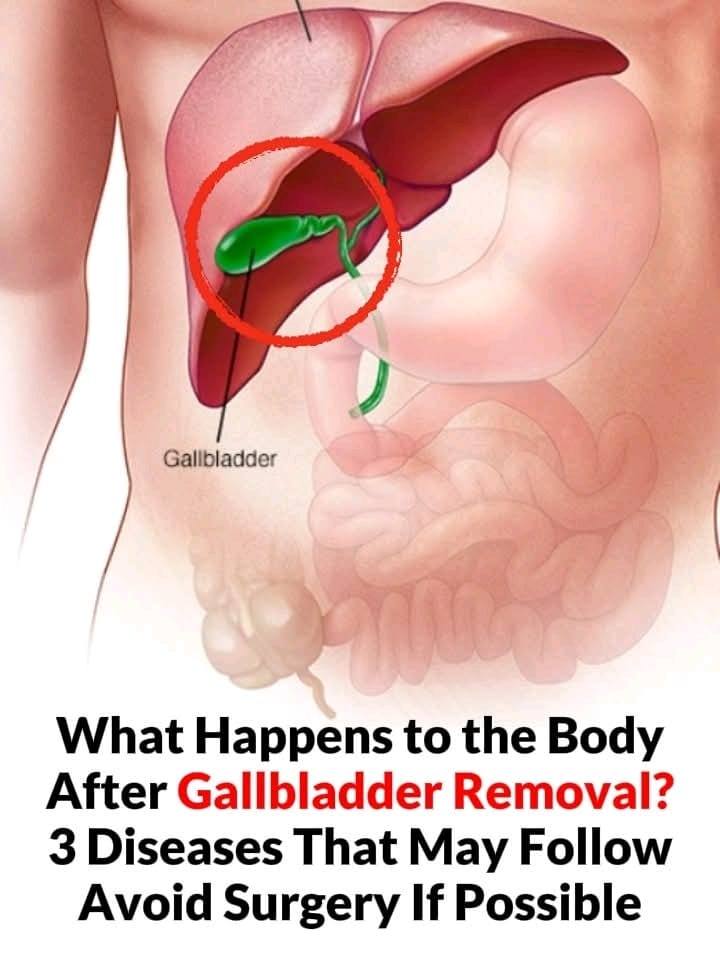
Doctors often recommend simple lifestyle adjustments after gallbladder removal:
🍽️ Eat smaller meals
Large fatty meals can be harder to digest initially.
🥑 Reduce greasy foods
Fried and high-fat foods may cause discomfort.
💧 Stay hydrated
Water supports digestion and bile movement.
🧘♀️ Eat slowly and mindfully
This helps the digestive system adjust more easily.
Over time, many people can return to a normal diet.
⚖️ “Avoid Surgery If Possible” – What This Really Means
The idea of avoiding surgery when possible is understandable, but it’s important to be careful with this statement.
Gallbladder surgery is usually recommended when:
- Gallstones cause repeated pain
- There is infection or inflammation
- There is risk of complications
Delaying necessary treatment can sometimes lead to more serious health issues.
👉 The decision should always be made with a qualified healthcare professional.
🧠 The Body’s Adaptation Ability
One of the most remarkable things about the human body is its ability to adapt.
After gallbladder removal:
- The liver continues producing bile
- The digestive system adjusts over time
- Many symptoms improve within weeks or months
While changes can occur, the body often finds a new balance.
🌟 The Bottom Line
Gallbladder removal changes how bile is delivered during digestion, and some people may experience:
- Digestive discomfort or sensitivity
- Possible bile reflux symptoms
- Temporary changes in gut balance
However, for most patients, the procedure is safe and improves overall quality of life when medically necessary.
💬 Final Thought
Health decisions are never one-size-fits-all.
Understanding what happens after gallbladder removal helps patients make informed choices—not based on fear, but on knowledge.
Because in medicine, the goal is not just removing a problem…
👉 it’s restoring balance to the body. 🩺