 Skip to content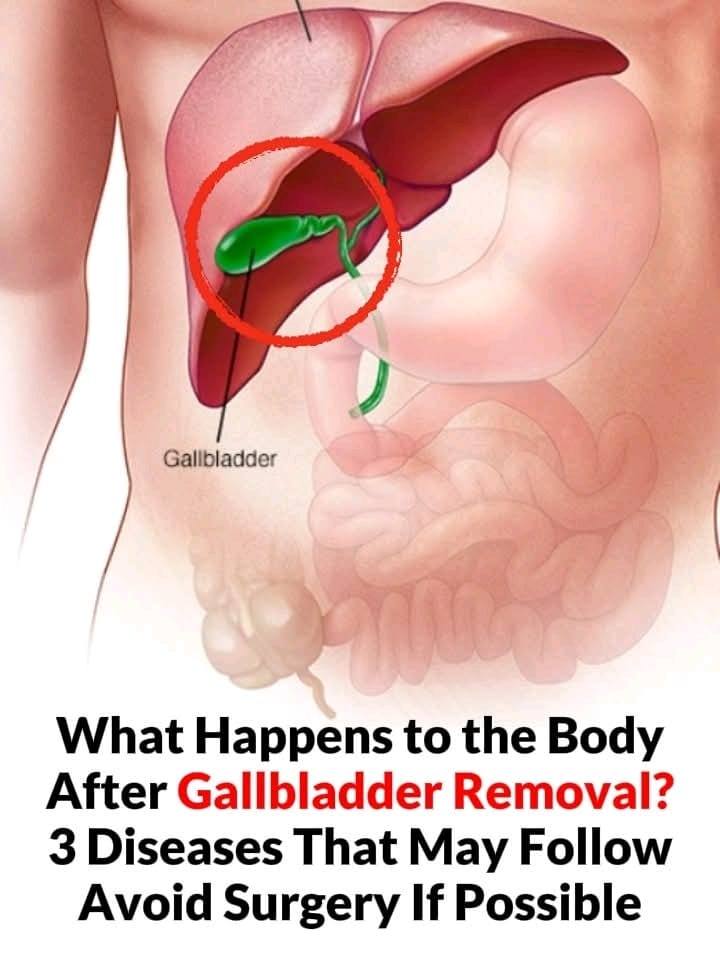
Gallbladder removal is one of the most common surgeries in the world. Many people undergo it due to gallstones, pain, or inflammation of the gallbladder. While the procedure is often considered safe and life-improving, many patients are surprised by how their digestion changes afterward.
The gallbladder is a small organ, but it plays an important role in how your body handles fats. Once it is removed, bile flows differently through the digestive system, and this can lead to adjustments in how the body functions.
So what actually happens after gallbladder removal—and are there any long-term effects?
Let’s explore what medical experts commonly observe.
🧠 First: What Does the Gallbladder Do?
The gallbladder is a small storage organ located under the liver. Its main job is to:
- Store bile produced by the liver
- Release bile when you eat fatty foods
- Help break down fats during digestion
After removal (a procedure called cholecystectomy), bile no longer gets stored. Instead, it flows continuously into the intestines.
This change is usually manageable, but it can affect digestion in some people.
⚠️ 1. Post-Cholecystectomy Digestive Issues
One of the most common changes after surgery is digestive discomfort, sometimes called post-cholecystectomy syndrome.
People may experience:
- Bloating
- Gas or abdominal discomfort
- Diarrhea, especially after fatty meals
- Difficulty digesting greasy foods
This happens because bile is no longer released in a controlled way. Instead, it drips continuously, which can sometimes irritate the intestines.
👉 For many people, these symptoms improve over time as the body adapts.
🧬 2. Bile Reflux and Gastric Irritation
Another condition that may develop in some individuals is bile reflux.
Unlike acid reflux, bile reflux occurs when bile flows backward into the stomach. This can cause:
- Burning sensation in the upper abdomen
- Nausea
- Bitter taste in the mouth
- Stomach irritation
Although not everyone experiences this, it can occur after gallbladder removal because bile flow patterns have changed.
Doctors usually manage this condition with dietary changes and medication if needed.
🧪 3. Changes in Gut Microbiome and Digestive Balance
The digestive system is closely linked to gut bacteria, also known as the microbiome.
After gallbladder removal, changes in bile flow can sometimes affect:
- Gut bacteria balance
- Fat digestion efficiency
- Bowel movement patterns
In some cases, this may lead to ongoing digestive sensitivity.
Researchers are still studying how significant this impact is long-term, but it is an area of active medical interest.
🩺 Is Gallbladder Removal Dangerous?
Despite concerns, it’s important to understand:
👉 Gallbladder removal is generally considered a safe and common procedure.
Most people:
- Recover well
- Live normal lives
- Do not experience severe long-term complications
For many patients with painful gallstones or infections, surgery significantly improves quality of life.
🥗 How to Support Your Body After Surgery