 Skip to content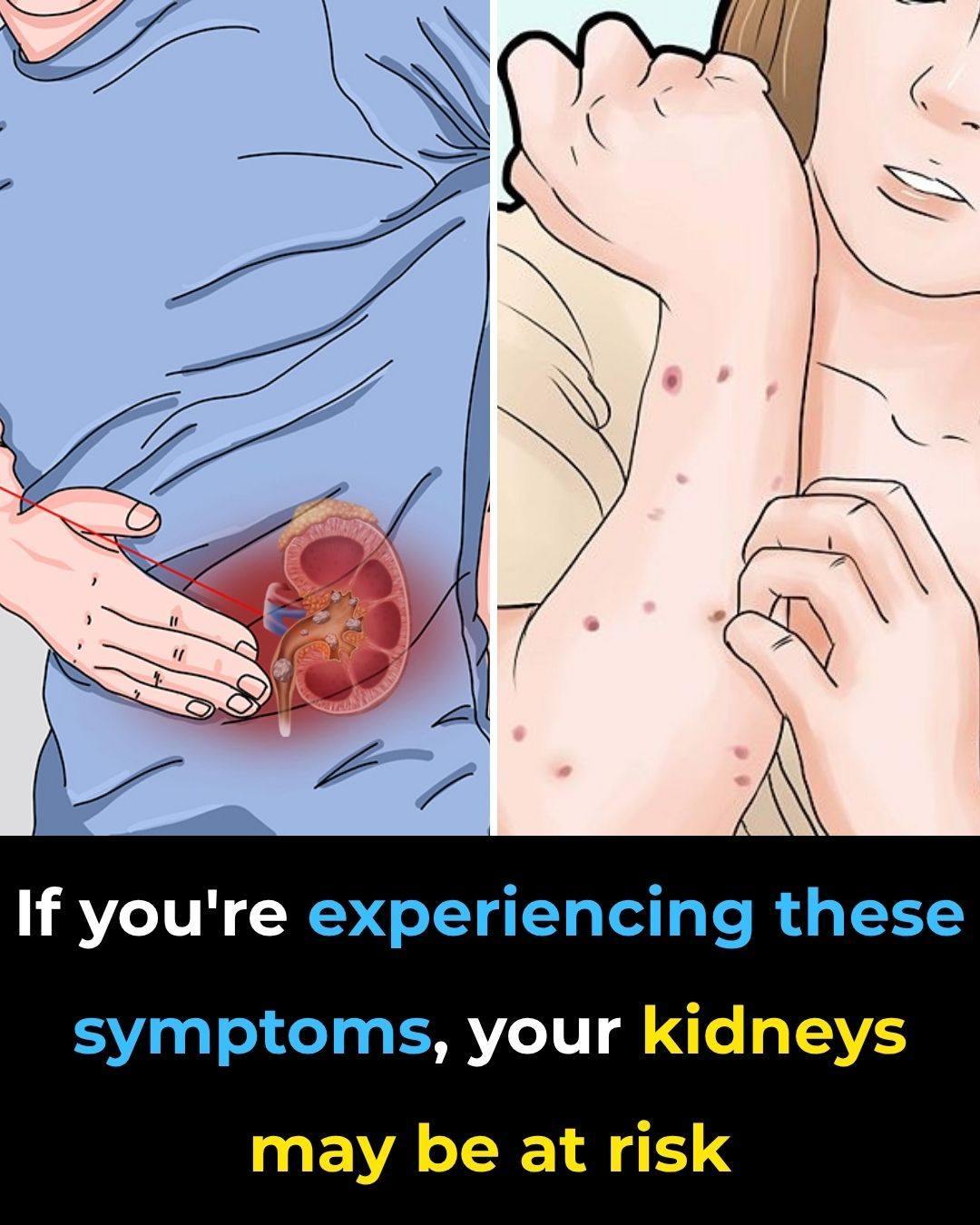
Maintain Proper Hydration
- Drink enough water daily to help kidneys flush out toxins
- Avoid sugary drinks and excessive caffeine
- Reduce salt, processed foods, and high-sodium snacks
- Include vegetables, fruits, whole grains, and lean proteins
- Limit excessive red meat or phosphorus-heavy foods
- Regular monitoring and management are critical
- Follow doctor-prescribed medications if needed
- Moderate exercise like walking, swimming, or yoga improves circulation and reduces kidney strain
- NSAIDs like ibuprofen can harm kidneys if taken frequently
- Blood tests (creatinine, eGFR) and urine tests can detect problems early
- Early intervention significantly improves outcomes
Foods That Support Kidney Health
Certain foods can help keep your kidneys strong:
- Berries – Packed with antioxidants that protect kidney cells
- Red bell peppers – Low in potassium, high in vitamin C
- Cauliflower and cabbage – Rich in fiber and kidney-friendly nutrients
- Fatty fish – Omega-3 fatty acids reduce inflammation
- Olive oil – Healthy fat that supports kidney and heart health
Conversely, avoid high-sodium, processed, or fast foods, which can increase the risk of kidney damage over time.
The Bottom Line
Early kidney disease is silent but serious. By recognizing warning signs like changes in urination, swelling, fatigue, and skin issues, you can act early. Preventive measures such as hydration, a balanced diet, regular check-ups, and blood pressure control are your best defense.
Your kidneys work tirelessly for you—show them some love by making healthy lifestyle choices and staying vigilant about subtle symptoms.
Key Takeaways
- Kidney disease often starts silently—early detection saves lives.
- Watch for changes in urination, swelling, fatigue, and persistent itching.
- Manage diabetes, hypertension, and lifestyle factors to reduce risk.
- Maintain hydration, a balanced diet, and regular check-ups.
- Avoid overuse of medications that can harm kidneys.
Taking small, proactive steps today can ensure healthy kidneys for life. 💧