 Skip to content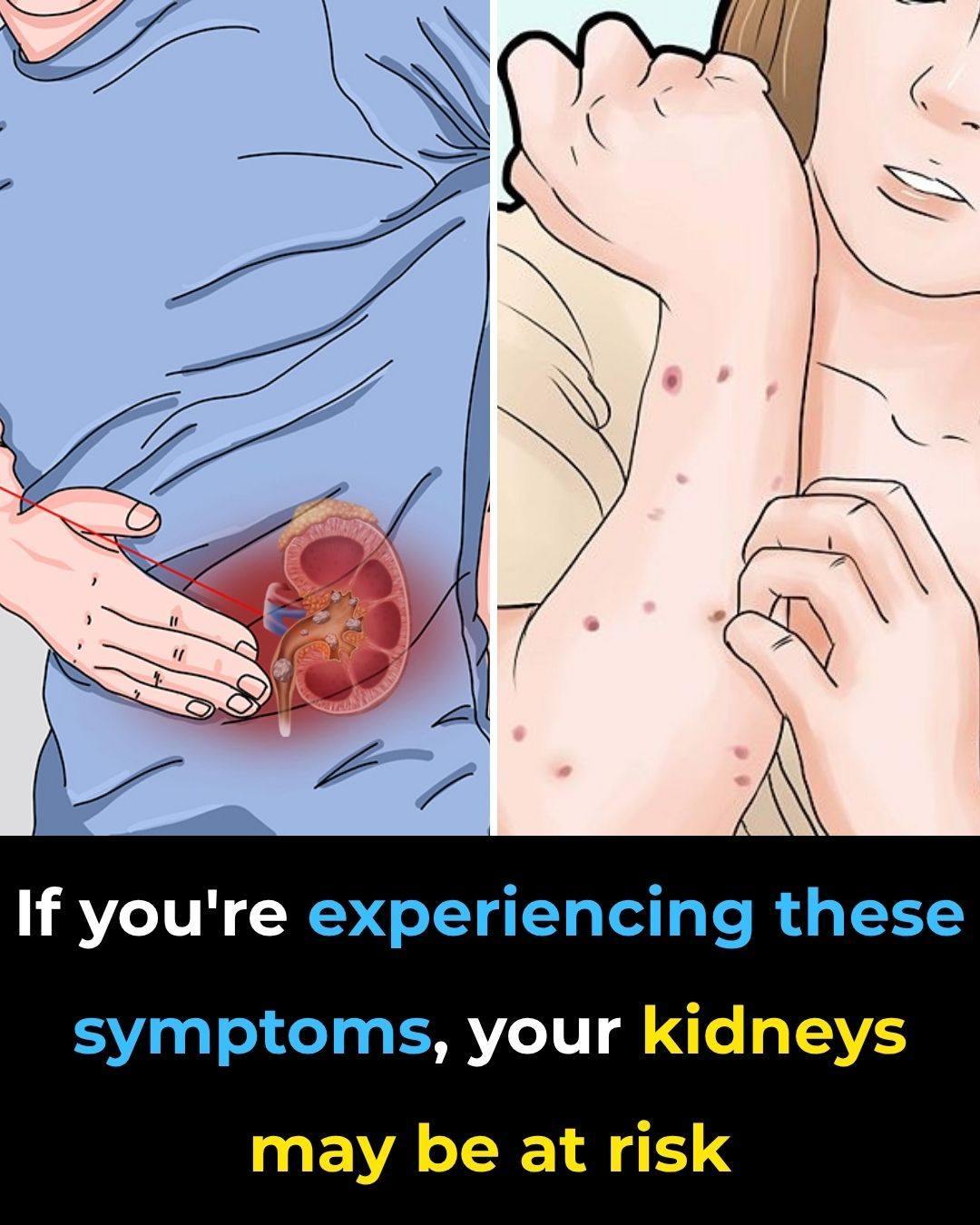
Changes in Urination
- Increased frequency, especially at night
- Foamy or bubbly urine, which may indicate protein leakage
- Blood in the urine or darker-than-usual color
- Swelling in the hands, feet, or around the eyes
- Caused by fluid retention due to impaired kidney function
- Accumulation of toxins in the blood can lead to low energy and difficulty concentrating
- Anemia caused by reduced erythropoietin production can worsen fatigue
- Waste buildup can cause skin irritation, dryness, or rashes
- Early kidney dysfunction may disrupt digestion and appetite
- Kidneys help regulate blood pressure; damage may cause hypertension
- Pain in the lower back or side could indicate kidney inflammation or stones
Tip: If you notice any of these symptoms persistently, consult a doctor immediately. Early testing, such as blood creatinine levels or urine protein tests, can detect kidney issues before severe damage occurs.
Risk Factors for Kidney Disease
Some people are more prone to kidney disease due to genetic, lifestyle, or medical factors:
- Diabetes: High blood sugar damages kidney filtering units.
- Hypertension: Chronic high blood pressure strains the kidneys.
- Obesity: Increases the risk of diabetes and hypertension.
- Family history: Genetics play a significant role.
- Smoking and excessive alcohol: Harm kidney function over time.
- Certain medications: Long-term use of NSAIDs or antibiotics can be harmful.
Understanding these risk factors can help you take preventive measures before damage occurs.