 Skip to content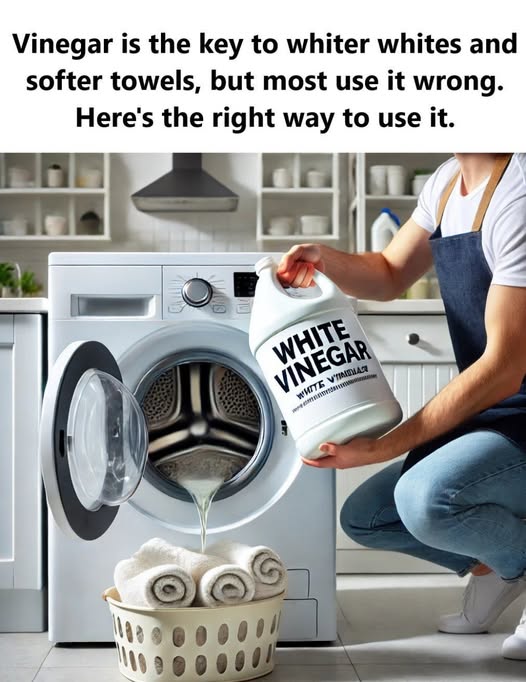
Even though vinegar is useful, it should not be used on everything.
Avoid using it on:
- Silk or delicate fabrics
- Some rubber-based materials
- Stone countertops (for cleaning purposes)
Also, never mix vinegar with bleach, as it can create harmful fumes.
🧠 5. Does Vinegar Really Whiten Clothes?
Yes—but not like bleach.
Vinegar does NOT chemically whiten fabric. Instead, it:
- Removes residue that makes clothes look dull
- Restores natural brightness
- Helps whites look cleaner and fresher
So the effect is restoration, not bleaching.
🧺 6. Bonus: Removing Odors from Laundry
Vinegar is especially powerful for odor removal.
It helps eliminate:
- Sweat smells
- Musty towel odors
- Mildew buildup from damp storage
This is because vinegar helps neutralize odor-causing bacteria and residues.
A related skin and hygiene condition influenced by bacteria imbalance is Bacterial Infection.
🌿 7. Eco-Friendly Advantage
Using vinegar in laundry is also a more sustainable choice because:
- It reduces chemical detergent dependence
- It lowers plastic use from softeners
- It is biodegradable and environmentally safer
Small changes in laundry habits can reduce household chemical impact over time.
🧠 Why This Simple Trick Became So Popular
People love vinegar laundry hacks because:
- It is cheap and accessible
- It has visible results
- It fits natural cleaning trends
- It replaces expensive laundry products
However, like all household hacks, correct usage is what makes it effective.
🌟 Final Thoughts
Vinegar is a powerful and affordable laundry helper—but only when used correctly.
The key is simple:
👉 Use it in the rinse cycle, in the right amount, and not as a replacement for detergent.
It won’t magically transform clothes, but it can:
- Refresh dull whites
- Soften rough towels
- Remove buildup and odors
A related issue in fabric hygiene is bacterial buildup, which can contribute to odors similar to those seen in Bacterial Infection.
With the right method, vinegar becomes a simple but effective tool for cleaner, fresher laundry 🧺✨💧