 Skip to content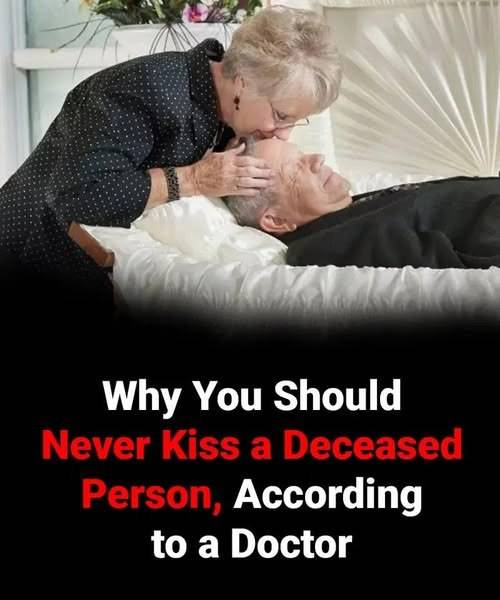
Talking about death is never easy, especially when it involves saying goodbye to someone we love. In moments of grief, people often express emotions through physical gestures such as touching or kissing the forehead of a deceased person as a final farewell.
However, in many medical and public health settings, professionals advise caution regarding direct physical contact. This advice is not based on fear or superstition—it is based on biology, hygiene, and practical safety standards.
Let’s explore the real, science-based reasons behind this guidance in a clear and respectful way.
🧠 1. What Happens to the Body After Death (Natural Biology)
After death, the human body undergoes a natural process called decomposition. This is a normal biological transition that happens when the heart stops and circulation ends.
During this process:
- The immune system no longer functions
- Cells begin to break down
- Natural bacteria in the body start multiplying
- Tissues gradually change over time
These changes are part of normal biology, not something “dangerous” in a dramatic sense. However, they are why professionals recommend controlled handling.
A related medical concept is Human Decomposition.
🦠 2. Hygiene and Infection Control Considerations
One of the main reasons for limiting close contact is hygiene safety.
Although most deceased individuals do not pose a significant risk in controlled environments, caution is taken because:
- Some infections present before death may still be present in bodily fluids
- Certain bacteria can remain active for a short time after death
- Medical settings must protect living individuals from unnecessary exposure
This is especially important in hospitals or cases involving infectious diseases.
A relevant medical field is Infectious Disease Medicine, which guides these safety protocols.
🏥 3. Why Healthcare Professionals Use Strict Protocols
Doctors, nurses, and mortuary workers follow strict guidelines when handling deceased bodies.
These include:
- Wearing protective equipment when necessary
- Limiting unnecessary direct contact
- Ensuring proper sanitation procedures
- Maintaining controlled environments
These steps are not meant to create emotional distance—they exist to ensure public health safety and dignity in care.
🧠 4. Emotional Impact and Psychological Considerations
Grief affects everyone differently. In moments of loss, people may feel the need to:
- Touch the deceased
- Hold their hand
- Kiss them goodbye
While these actions are emotionally meaningful, they can also be overwhelming for some individuals.
Grief can sometimes lead to intense emotional responses similar to Acute Stress Reaction.
That is why some families choose alternative ways of saying goodbye, such as:
- Placing flowers
- Speaking words of farewell
- Praying or performing rituals
- Simply being present quietly
All of these are valid forms of respect.
🌍 5. Cultural Practices Around the World
It is important to understand that there is no single universal rule. Different cultures have different traditions:
- Some allow open-casket viewings
- Some encourage limited physical contact
- Some prefer symbolic rituals only
- Others avoid contact entirely for spiritual or health reasons
What matters most is respecting both cultural tradition and safety guidelines.
⚠️ 6. Why the Advice Exists (Not Fear, But Prevention)