 Skip to content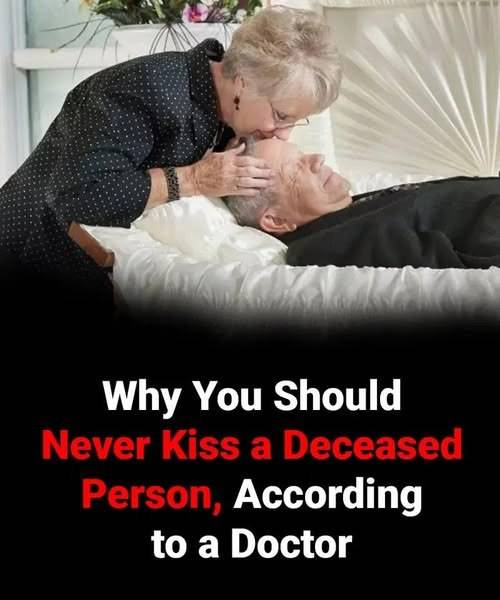
When professionals advise against kissing a deceased person, the intention is not to create fear or emotional restriction.
The purpose is:
- To reduce unnecessary health exposure
- To ensure hygienic handling of the body
- To support safe mourning environments
- To maintain dignity and structure in post-death care
It is a precaution, not a warning of danger from the person themselves.
🧠 7. Common Misunderstandings Online
Online content sometimes turns this topic into dramatic or frightening statements. These can include myths suggesting supernatural or exaggerated dangers.
In reality:
- There is no evidence of any “active harm” from a deceased person
- The body does not pose sudden danger in normal conditions
- Risks are managed through professional care and hygiene standards
Understanding the science helps separate fact from fear.
🌿 8. Healthier Ways to Say Goodbye
If you are unsure or uncomfortable with physical contact, there are many respectful alternatives:
- Placing a hand gently on clothing instead of skin
- Saying a personal goodbye out loud
- Writing a letter or note
- Participating in cultural or religious rituals
- Sharing memories with family
These actions can be just as meaningful emotionally.
🌟 Final Thoughts
The advice about avoiding kissing a deceased person is not based on superstition or fear—it is grounded in biological changes after death, hygiene practices, and respectful care protocols.
A related biological process is Human Decomposition, which explains why careful handling is recommended in medical and funeral settings.
At the same time, grief is deeply personal, and saying goodbye is an emotional moment that deserves compassion and understanding.
The most important message is simple:
👉 Respect, love, and farewell are not measured by physical contact—but by intention, memory, and the dignity we show in goodbye 🕊️🧠✨