 Skip to content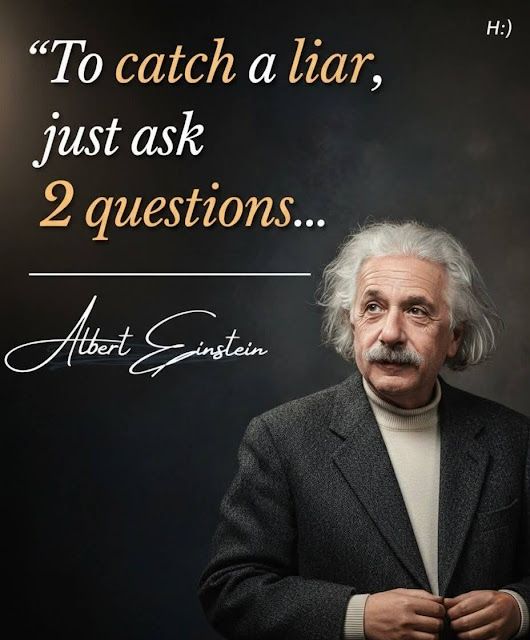
Let’s clear up some popular misunderstandings:
❌ “Liars avoid eye contact”
Not reliable. Many liars intentionally maintain eye contact.
❌ “Liars always fidget”
Fidgeting is linked to stress, not lying.
❌ “Long answers mean lying”
Some liars over-explain, others stay extremely brief.
❌ “Short answers mean honesty”
Also false—brevity can mean discomfort or confusion.
There is no universal behavior pattern.
⚖️ The Big Ethical Problem With “Lie Detection Tricks”
Using interrogation-style thinking in everyday relationships can damage trust.
Healthy communication should focus on:
- Understanding context
- Asking clarifying questions
- Listening without assuming intent
- Avoiding accusations based on behavior alone
Turning conversations into “tests” often creates more conflict than clarity.
🧠 What Actually Works Better in Real Life
If you suspect inconsistency, a better approach is:
🧩 1. Ask for clarification calmly
Instead of pressure, use curiosity.
🔄 2. Compare information over time
Look for changes across multiple conversations.
🧠 3. Focus on facts, not behavior
Behavior can mislead; facts are more stable.
💬 4. Encourage openness
People reveal more truth when they feel safe, not tested.
🌟 Final Thoughts
The idea that “two questions can catch a liar” is an oversimplified internet concept built on real psychological principles—but taken far beyond their limits.
Yes, certain questions can increase mental load and sometimes expose inconsistencies. But they cannot reliably identify truth or deception on their own.
The reality is more complex:
👉 Truth detection is about patterns, not tricks
👉 Context matters more than behavior
👉 No question replaces careful observation over time
Because in the end, understanding people is not about catching them in a mistake—it’s about seeing consistency, communication, and character across time. 🧠🔍✨