 Skip to content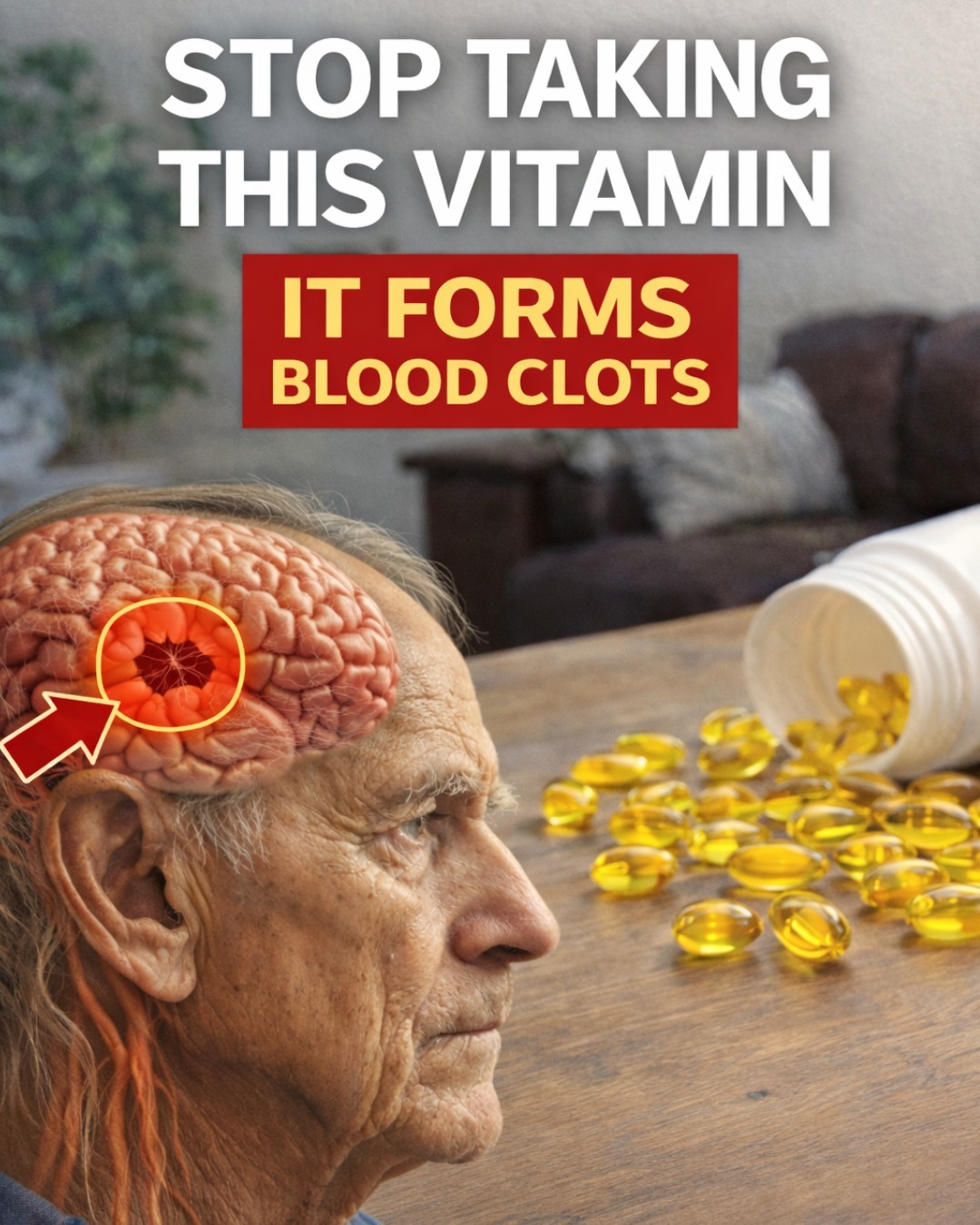
Vitamin D: Despite its popularity, research shows it does not significantly reduce stroke risk
This highlights an important point:
👉 Vitamins are not universally “good” or “bad”—their effects depend on dosage, individual health, and context.
💊 The Hidden Danger of “Over-Supplementing”
One of the biggest problems today is not deficiency—it’s over-supplementation.
Many seniors take:
- Multivitamins
- Individual vitamin pills
- “Heart health” blends
- “Brain boosters”
Without realizing they may be doubling or tripling doses of the same nutrient.
And unlike food, supplements can deliver concentrated levels that the body isn’t designed to handle daily.
🧑⚕️ What Brain Experts Recommend
Most neurologists and health professionals agree on a few key guidelines:
✅ 1. Food First, Supplements Second
Whole foods provide balanced nutrition without the risk of excessive intake.
✅ 2. Avoid High-Dose Supplements Without Medical Advice
Especially for fat-soluble vitamins like A, D, E, and K.
✅ 3. Review Medications + Supplements Together
Interactions matter—particularly with blood thinners.
✅ 4. Test Before You Supplement
Don’t guess. Blood tests can reveal actual deficiencies.
⚖️ So… Should Seniors Stop Taking Vitamin E?
Not necessarily.
Vitamin E is still essential for health, and small amounts from food (nuts, seeds, leafy greens) are perfectly safe.
The concern is mainly about:
- High-dose supplements
- Long-term use without supervision
- Combining with other medications
For many people, the safest approach is moderation and medical guidance.
🌟 The Bottom Line
The idea that “more vitamins = better health” is outdated—and sometimes dangerous.
For seniors, especially, the goal should be balance, not excess.
Yes, supplements can help when there’s a real deficiency.
But in some cases, like high-dose vitamin E, they may quietly increase risks—including the risk of stroke.
💬 Final Thought
If you or a loved one is over 60 and taking daily supplements, this might be the right time to ask a simple but important question:
👉 Do I actually need this?
Because when it comes to brain health, the smartest decisions are often the most informed ones.