 Skip to content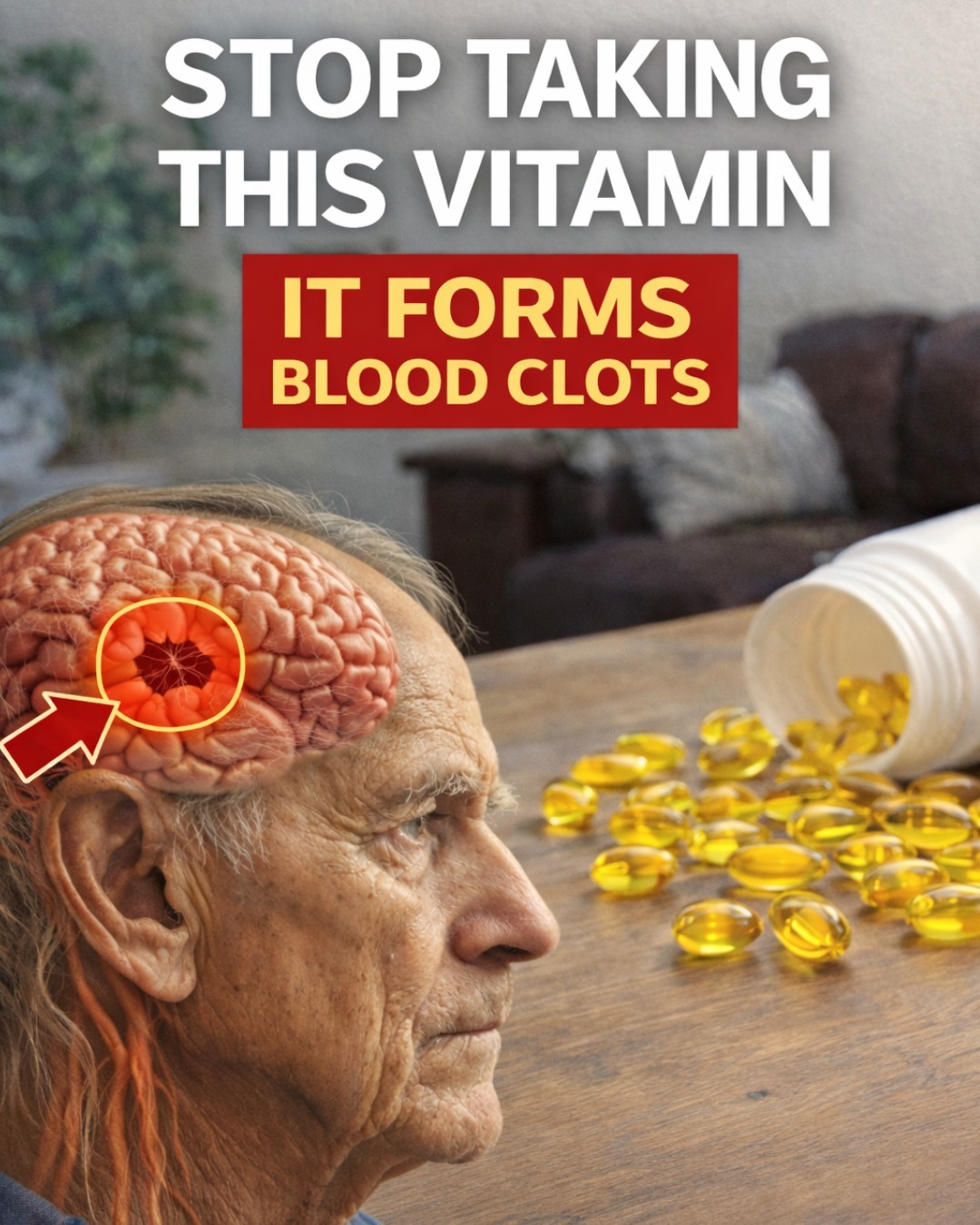
In today’s health-conscious world, millions of people over 60 take daily vitamin supplements believing they are protecting their heart, brain, and overall longevity. Walk into any pharmacy, and you’ll find shelves full of “essential” vitamins promising better aging, sharper memory, and stronger immunity.
But here’s the uncomfortable truth: not all supplements are as harmless as they seem.
In fact, emerging research has raised concerns among neurologists and brain health experts about one commonly used supplement—and its potential link to stroke risk in older adults.
Let’s break down what science actually says.
🧪 The Vitamin in Question: Is More Always Better?
One supplement that has drawn particular attention is vitamin E.
For years, vitamin E has been marketed as a powerful antioxidant—something that helps protect cells, slow aging, and support brain health. Naturally, many seniors began taking it regularly, often in high doses.
But here’s where things get complicated.
A large body of research suggests that while vitamin E has benefits, taking it in supplement form—especially at high doses—may come with unexpected risks.
⚠️ The Stroke Risk No One Talks About
A major scientific analysis found something surprising:
- Vitamin E did not significantly reduce overall stroke risk
- It actually increased the risk of hemorrhagic stroke (bleeding in the brain) by about 22%
That’s a serious concern—especially for older adults, who are already more vulnerable to vascular issues.
Hemorrhagic strokes are less common than ischemic strokes, but they are often more severe and life-threatening.
So why would a vitamin cause this?
🩸 The Blood-Thinning Effect
The answer lies in how vitamin E works in the body.
Vitamin E can act as a natural blood thinner, interfering with clotting processes. While that might sound beneficial (similar to aspirin), it can become dangerous when:
- Taken in high doses
- Combined with blood-thinning medications
- Used by individuals with underlying vascular conditions
According to health reports, excessive vitamin E intake can increase bleeding risk and potentially contribute to hemorrhagic stroke in some individuals.
For seniors already taking medications for heart disease, blood pressure, or stroke prevention, this combination can quietly increase risk over time.
🧠 Why Seniors Are More Vulnerable
After age 60, the brain and blood vessels naturally become more fragile.
This means:
- Blood vessels are less elastic
- Risk of microbleeds increases
- The body’s ability to regulate clotting changes
Adding a supplement that alters blood clotting—even slightly—can tip the balance.
That’s why neurologists often emphasize caution when it comes to self-prescribing supplements, especially in older adults.
📊 Not All Vitamins Behave the Same
Here’s where it gets even more interesting.
While vitamin E may pose risks in certain situations, other vitamins show completely different effects:
- Vitamin B1 (thiamine): Higher intake has been linked to a lower risk of stroke in older adults
Pages: 1 2