 Skip to content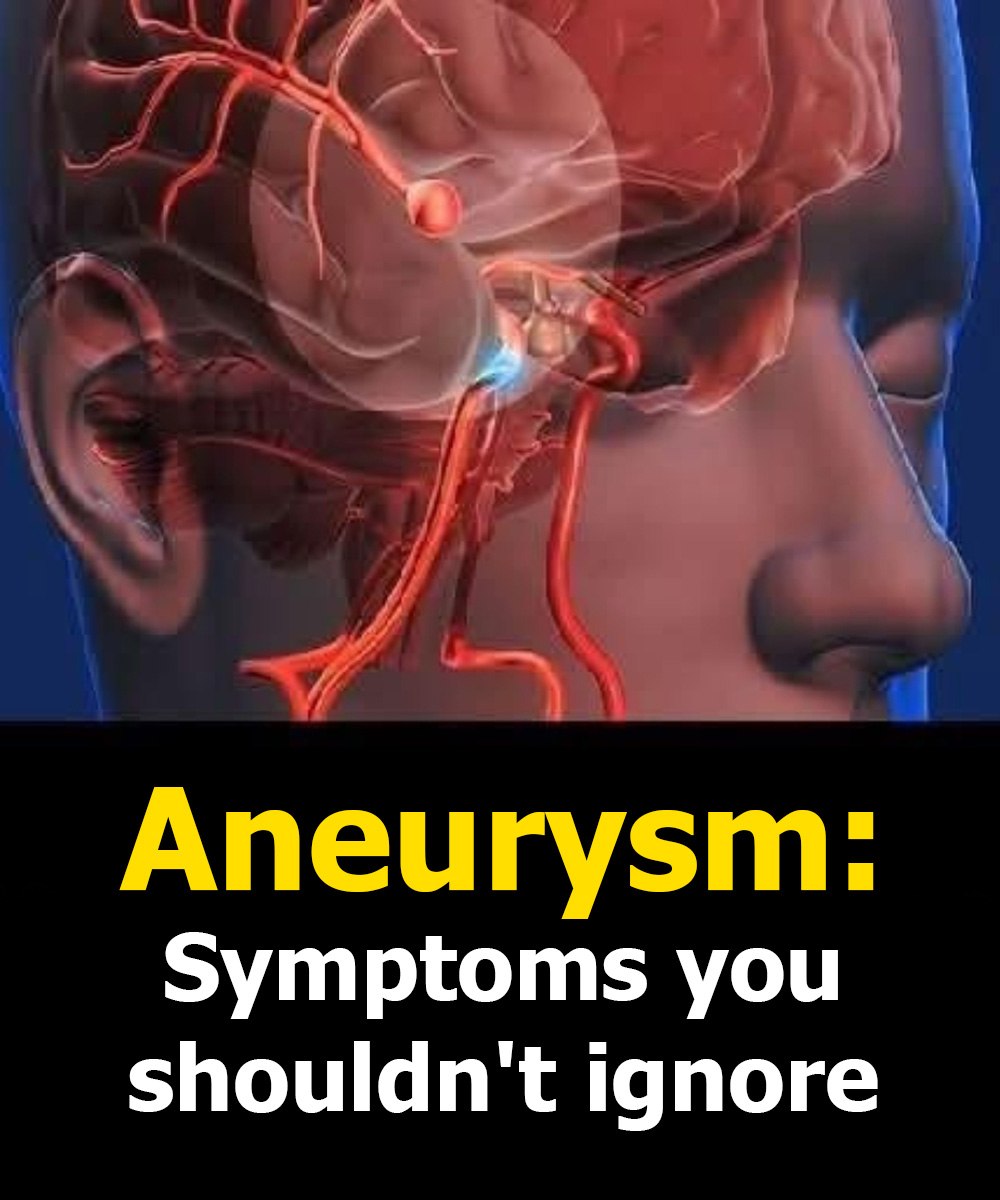
The danger of an aneurysm lies in its unpredictability. Many people live with small aneurysms without knowing it. The real risk comes when the vessel wall becomes too weak and ruptures.
A rupture leads to internal bleeding, which can quickly become life-threatening depending on the location.
That’s why early detection in high-risk individuals is so important.
🏥 Diagnosis and Treatment
Doctors often detect aneurysms using imaging tests such as CT scans, MRI scans, or ultrasound (for abdominal aneurysms).
Treatment depends on size, location, and risk of rupture:
- Monitoring small, stable aneurysms
- Blood pressure control and lifestyle changes
- Surgical repair or endovascular procedures for high-risk cases
Early detection significantly improves outcomes.
🧘 Prevention and Lifestyle Tips
While not all aneurysms can be prevented, you can reduce your risk by:
- Managing blood pressure
- Avoiding smoking
- Eating a heart-healthy diet
- Exercising regularly
- Limiting alcohol intake
- Getting regular medical checkups if you have risk factors
Small lifestyle changes can make a big difference over time.
🚨 When to Seek Immediate Help
You should seek emergency care immediately if you experience:
- Sudden severe headache
- Fainting or collapse
- Sudden vision or speech problems
- Severe chest or abdominal pain
These symptoms should never be ignored or self-diagnosed.
🌟 Final Thoughts
An aneurysm is often called a “silent threat” because it can develop without warning. However, your body may still give subtle signals before something serious happens.
Conditions like Cerebral Aneurysm and Subarachnoid Hemorrhage highlight why awareness is so important.
The goal is not fear—it’s knowledge. Recognizing the warning signs and understanding your risk factors can help you act quickly and possibly save a life.
When it comes to aneurysms, paying attention to your body is not optional—it’s essential.