 Skip to content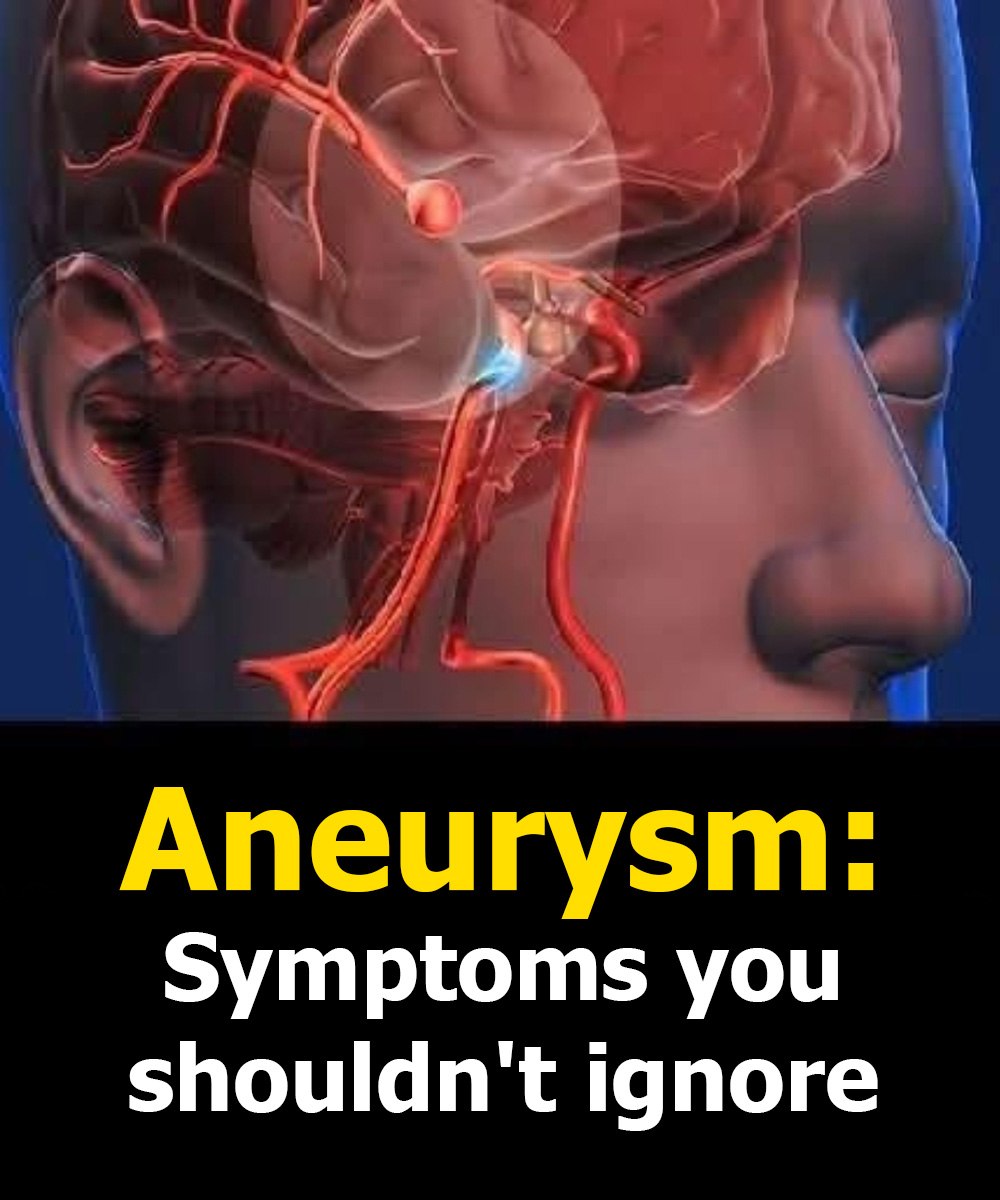
An aneurysm is one of those medical conditions that often develops quietly, without obvious symptoms—until it becomes serious. That’s what makes it especially important to understand. While not all aneurysms are immediately life-threatening, some can rupture suddenly and require emergency care.
The key to protecting yourself is awareness: knowing the warning signs, risk factors, and when to seek help.
🧠 What Is an Aneurysm?
An aneurysm is a weak, bulging area in the wall of a blood vessel. It can form in different parts of the body, but the most concerning types often occur in the brain or the aorta (the body’s main artery).
Over time, blood pressure can cause the weakened area to expand like a balloon. If it grows too large, it may rupture, leading to internal bleeding.
One of the most serious forms is a brain aneurysm, also called a Cerebral Aneurysm.
⚠️ Early Warning Signs You Should Not Ignore
Many aneurysms do not show symptoms until they become large or rupture. However, when symptoms do appear, they should be taken seriously.
Possible warning signs include:
- Sudden, severe headache (“worst headache of your life”)
- Blurred or double vision
- Pain above or behind one eye
- Drooping eyelid
- Stiff neck
- Nausea or vomiting
- Loss of balance or coordination
These symptoms can appear suddenly and may indicate a leaking or rupturing aneurysm.
🧠 Signs of a Ruptured Brain Aneurysm
If a brain aneurysm ruptures, it becomes a medical emergency. This is often linked to a condition called Subarachnoid Hemorrhage.
Symptoms may include:
- Sudden, extremely intense headache
- Loss of consciousness
- Seizures
- Confusion or difficulty speaking
- Sensitivity to light
- Sudden weakness or numbness
If any of these occur, immediate emergency care is critical.
❤️ Aortic Aneurysm Symptoms
Aneurysms can also occur in the aorta, known as an abdominal or thoracic aneurysm. These may grow slowly over time and sometimes go unnoticed.
Warning signs may include:
- Deep, constant pain in the chest, abdomen, or back
- A pulsating feeling near the navel
- Shortness of breath (if in the chest area)
- Sudden severe pain if rupture occurs
A ruptured aortic aneurysm is life-threatening and requires urgent surgery.
🧬 Who Is at Risk?
Several factors can increase the risk of developing an aneurysm:
- High blood pressure
- Smoking
- Family history of aneurysms
- Age (risk increases after 40–50)
- Certain genetic conditions
- Atherosclerosis (hardening of the arteries)
Lifestyle habits play a major role, especially smoking and uncontrolled hypertension.
🧠 Why Aneurysms Are Dangerous