 Skip to content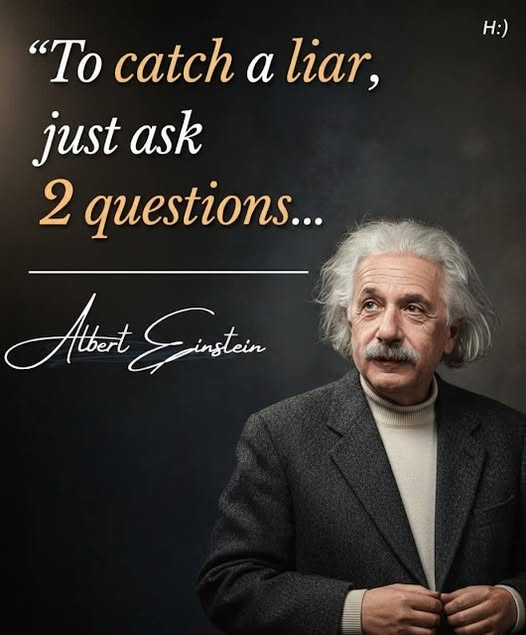
Even with these questions:
❌ You cannot guarantee someone is lying
❌ Nervous people may appear suspicious even when honest
❌ Confident liars may seem convincing
👉 Human behavior is complex—context always matters.
🧠 Why These Questions Work Better Than Accusations
Directly accusing someone often leads to:
- Defensiveness
- Emotional reactions
- Shutdown of communication
But open-ended, structured questions:
- Encourage conversation
- Reveal inconsistencies naturally
- Reduce confrontation
💬 The Psychology Behind It
When someone is truthful:
- They recall experiences
When someone is lying:
- They construct answers
That difference becomes clearer when:
- You ask for detail
- You change the order
- You apply gentle pressure
🧠 A Smarter Approach to Truth
Instead of trying to “catch” someone, it’s often better to:
- Listen carefully
- Ask calmly
- Compare consistency over time
- Focus on patterns, not single answers
🌟 Final Thoughts
There is no perfect two-question trick that guarantees catching a liar—but smart questioning can reveal inconsistencies.
The most effective questions:
- Increase Cognitive Load
- Encourage detailed responses
- Test memory consistency
👉 The key insight is simple:
🧠 Truth is usually remembered… while lies have to be maintained. And that difference often shows when you ask the right questions 💬🔍✨