 Skip to content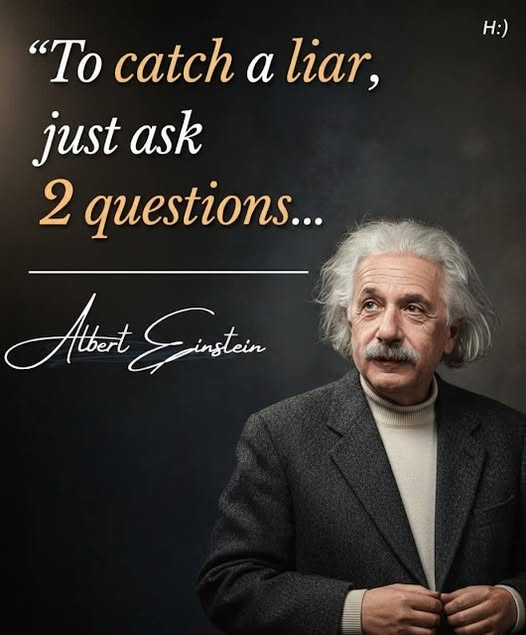
We all wish there were a simple trick to spot a lie instantly. You’ve probably seen posts claiming that asking “just two questions” will expose anyone—but real life is more nuanced.
There’s no guaranteed lie detector in a sentence, yet research in communication and behavior shows that certain types of questions can make dishonesty harder to maintain. When people fabricate stories, they must remember details, stay consistent, and manage stress at the same time.
That’s where smart questioning comes in.
🧠 First: Why Lies Are Hard to Maintain
Lying isn’t just saying something false—it requires:
- Creating a believable story
- Remembering what was said
- Staying consistent under pressure
- Controlling emotions and reactions
This mental effort is known as Cognitive Load.
👉 The higher the cognitive load, the more likely inconsistencies appear.
❓ The 2 Powerful Questions That Reveal Inconsistencies
These aren’t magic questions—but they are strategic tools used in psychology and communication.
1. 🔁 “Can you walk me through that again… but in reverse order?”
This question is simple but powerful.
Why it works:
- Truthful memories are stored as real experiences
- People who are telling the truth can usually recall events backward (with some effort)
- People who are lying often struggle because the story was constructed, not experienced
👉 Reversing the timeline increases cognitive load and exposes gaps.
2. 🔍 “Can you give me more specific details about that moment?”
Follow up with:
- “What happened just before that?”
- “Who else was there?”
- “What did you notice around you?”
Why it works:
- Real memories contain sensory and contextual details
- Fabricated stories tend to stay vague
- Liars may repeat general statements instead of adding depth
🧠 What You Should Look For (Not Just Words)
It’s not just what someone says—it’s how they respond.
Watch for:
- Sudden pauses or hesitation
- Changing details over time
- Overly defensive reactions
- Avoiding direct answers
A related psychological behavior is Deception.
⚠️ Important Reality Check