 Skip to content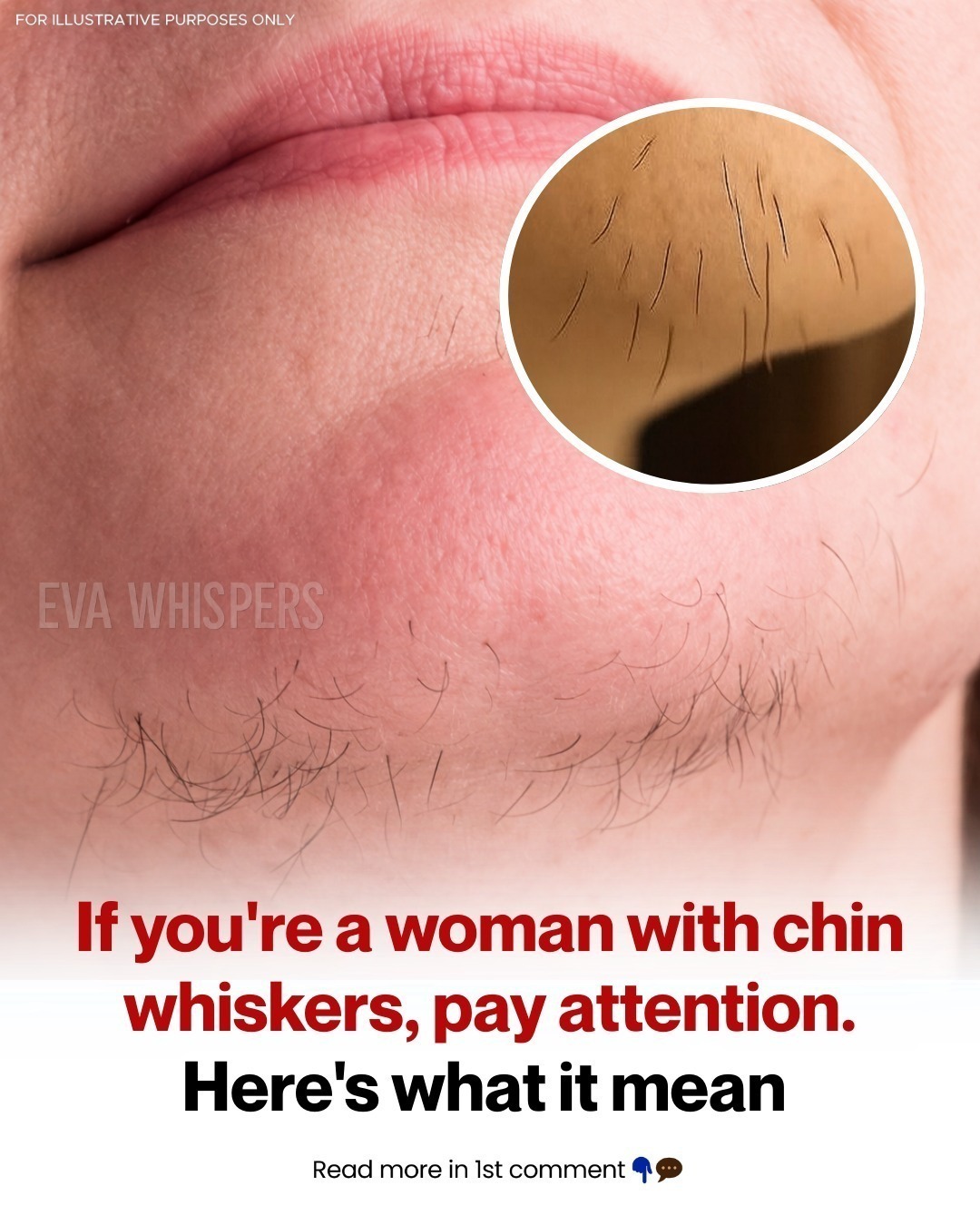
Certain medications can also trigger increased hair growth. These may include:
- Hormonal treatments
- Steroids
- Some medications for epilepsy or blood pressure
If you’ve recently started a new medication and notice changes in hair growth, it’s worth discussing with your doctor.
🍽️ Lifestyle and Insulin Resistance
There’s growing evidence that insulin resistance—often linked to diet and lifestyle—can contribute to hormonal imbalances and increased androgen levels.
This is particularly relevant in conditions like Insulin Resistance, where the body doesn’t respond properly to insulin.
Possible signs include:
- Cravings for sugar or carbs
- Fatigue after meals
- Weight gain around the abdomen
Improving diet and physical activity can sometimes help regulate hormones and reduce unwanted hair growth.
🧴 Should You Remove Chin Hair?
From a cosmetic standpoint, there’s nothing wrong with removing chin whiskers if they bother you. Common methods include:
- Tweezing
- Waxing
- Threading
- Laser hair removal
These methods address the appearance but not the underlying cause—so if the hair growth is increasing or accompanied by other symptoms, it’s better to investigate further.
⚠️ When to See a Doctor
While occasional chin hairs are normal, you should consider medical advice if:
- Hair growth is sudden or rapidly increasing
- The hair becomes very thick or dark
- You notice other hormonal symptoms (like irregular periods or acne)
- There are changes in your overall health
A healthcare provider may recommend blood tests or hormone evaluations to identify the cause.
🌟 Final Thoughts
Chin whiskers might seem like a minor inconvenience, but they can sometimes offer valuable clues about your hormonal health. In many cases, they’re completely harmless and simply part of aging or genetics. But in others, they may signal an imbalance that deserves attention.
The key is awareness—not worry. Pay attention to changes in your body, and don’t hesitate to seek professional advice if something feels off.
Because sometimes, even the smallest signs can tell a much bigger story about your health.