 Skip to content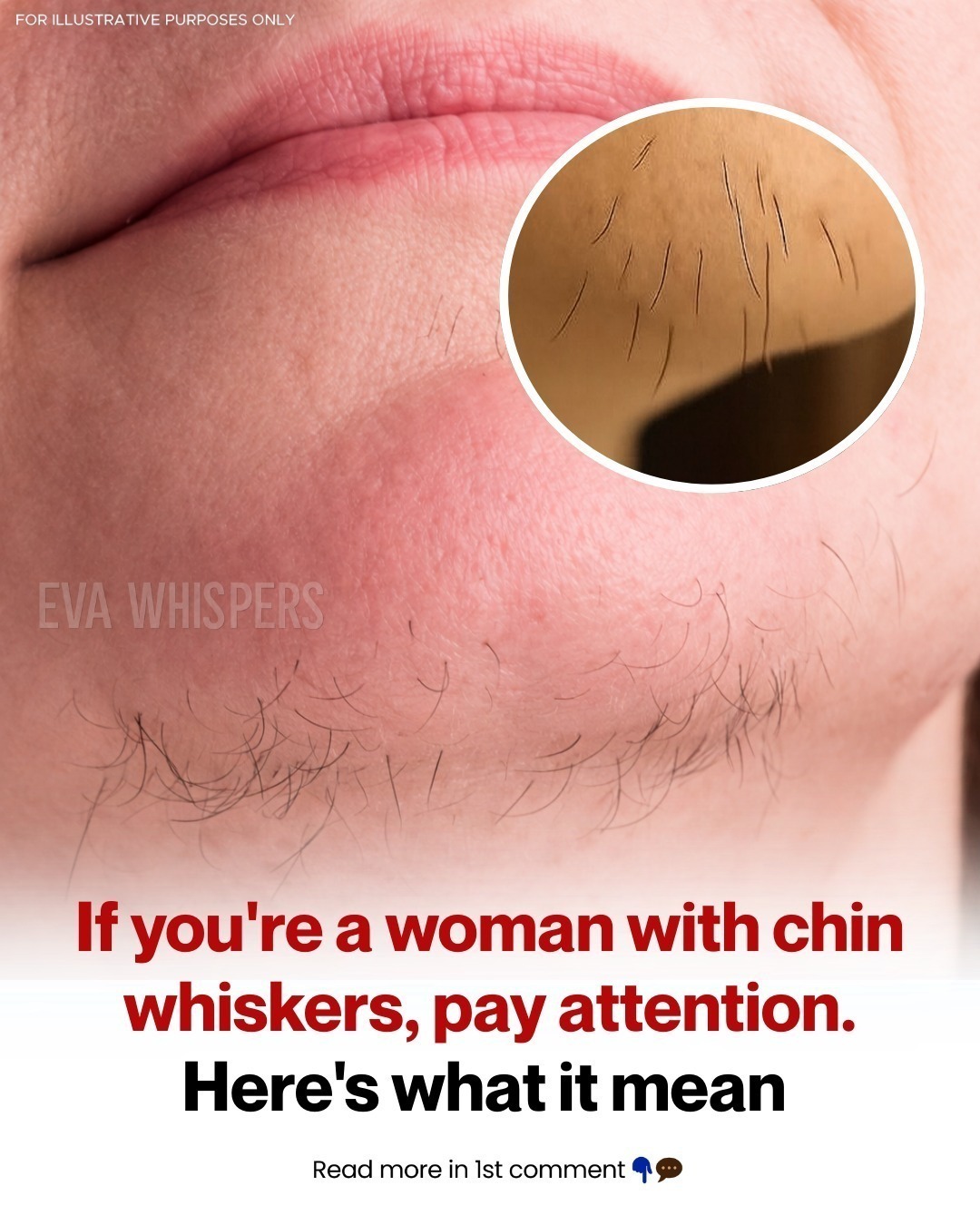
Finding a few coarse hairs on your chin might seem like a small cosmetic issue—but in some cases, it can be your body quietly signaling something deeper. While occasional facial hair is completely normal (especially with age), persistent or excessive chin whiskers in women can sometimes point to underlying hormonal or health-related changes.
So before you reach for the tweezers again, it’s worth understanding what your body could be trying to tell you.
🌿 A Normal Part of Aging
First, let’s get one thing clear: a few chin hairs are not unusual. As women age—particularly after menopause—estrogen levels decline, and the balance between estrogen and androgens (male hormones) shifts.
This hormonal change can lead to:
- Thicker, darker facial hair
- Slower hair growth cycles on the scalp
- More visible whiskers on the chin or jawline
In many cases, this is simply a natural part of aging and nothing to worry about.
⚖️ Hormonal Imbalance: The Most Common Cause
When chin whiskers become more noticeable, frequent, or coarse, it may be linked to a hormonal imbalance—specifically an increase in androgen levels.
One of the most common conditions associated with this is Polycystic Ovary Syndrome. This condition affects how the ovaries function and often leads to elevated levels of male hormones.
Other signs of PCOS may include:
- Irregular menstrual cycles
- Acne or oily skin
- Weight gain or difficulty losing weight
- Thinning hair on the scalp
If chin hair growth is accompanied by these symptoms, it’s worth seeking medical advice.
🧬 Genetics Play a Role
Sometimes, chin whiskers are simply inherited. If your mother or grandmother had similar hair patterns, chances are you might too.
Genetic factors can influence:
- Hair thickness
- Growth rate
- Hair color and visibility
In these cases, the hair growth is typically harmless and not linked to any health issue.
🩺 Rare but Important: Hormone-Secreting Conditions
In rare cases, sudden or excessive facial hair growth could be linked to more serious conditions, such as hormone-secreting tumors or adrenal gland disorders.
One condition sometimes associated with abnormal hair growth is Cushing’s Syndrome, which results from high levels of cortisol in the body.
Warning signs to watch for:
- Rapid onset of thick facial hair
- Unexplained weight gain (especially in the upper body)
- Fatigue or muscle weakness
- Easy bruising
These cases are uncommon, but they highlight why sudden changes shouldn’t be ignored.
💊 Medications and Their Side Effects