 Skip to content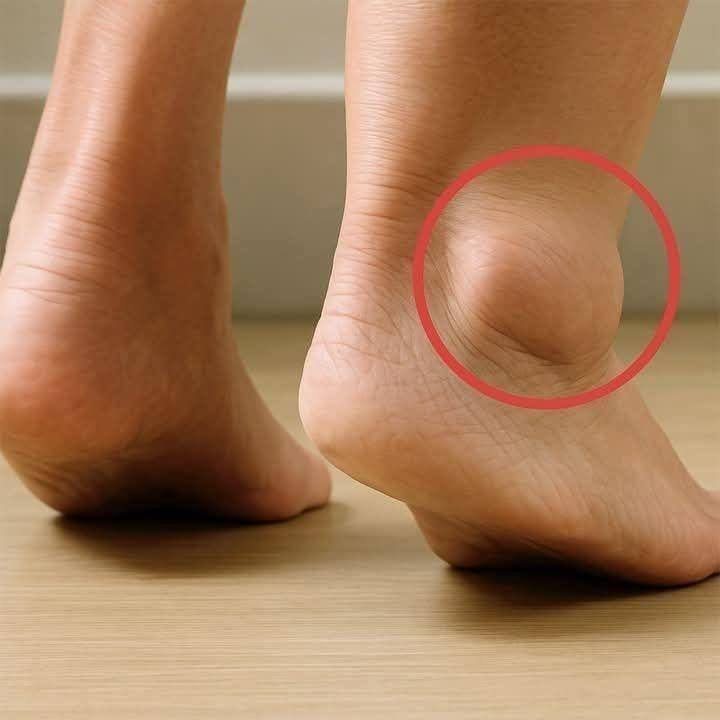
You should consider seeing a healthcare professional if:
- Swelling lasts more than a few days
- It appears suddenly without a clear reason
- You experience shortness of breath or chest pain
- One leg is more swollen than the other
- There is pain, warmth, or redness
These symptoms may require prompt evaluation.
🧘 Simple Ways to Reduce Mild Swelling
If your swelling is mild and not linked to a serious condition, these steps may help:
🚶 Move Regularly
Take breaks to walk around if you sit or stand for long periods.
🦵 Elevate Your Feet
Raise your legs above heart level for 15–30 minutes to improve circulation.
💧 Stay Hydrated
Drinking enough water helps your body maintain fluid balance.
🧂 Reduce Salt Intake
Cutting back on processed and salty foods can reduce water retention.
🧦 Wear Comfortable Footwear
Avoid tight shoes that restrict circulation.
🧠 The Important Truth
Swollen feet are not a disease by themselves—they are a symptom.
That means they can range from:
- Completely harmless (like heat or fatigue)
to - A sign of something that needs medical attention
The key is to look at the context and consistency of the symptom.
🌟 Final Thoughts
If your feet are swollen, it is a sign that your body is experiencing something—sometimes simple, sometimes more serious.
👉 Don’t ignore it if it keeps happening or comes with other symptoms.
👉 Don’t panic if it happens occasionally after a long day.
Awareness is the most important step.