 Skip to content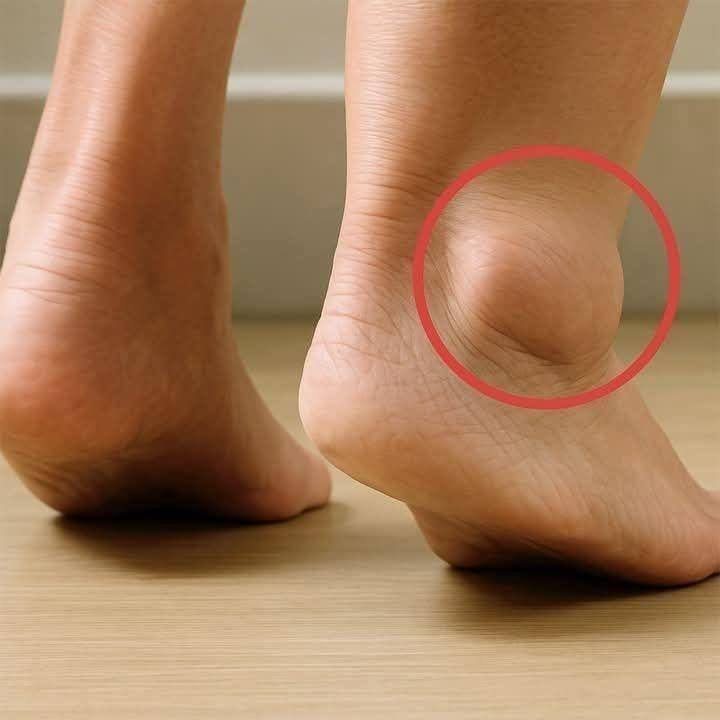
Swollen feet might seem like a minor inconvenience—something caused by a long day of standing or hot weather. But in some cases, it can also be an early warning sign that your body is dealing with an underlying issue that shouldn’t be ignored.
Let’s break down what swollen feet can actually mean, when it’s harmless, and when it could signal something more serious.
🦶 What Is Foot Swelling (Edema)?
Foot swelling, medically known as edema, happens when fluid builds up in the tissues of your feet, ankles, or lower legs.
It may appear as:
- Puffiness in the feet or ankles
- Tight or shiny skin
- Difficulty fitting into shoes
- A heavy or uncomfortable feeling
Sometimes it’s temporary—but other times, it may be linked to health conditions that need attention.
⚠️ Common (and Usually Harmless) Causes
In many cases, swollen feet are not dangerous. They can happen due to everyday factors like:
🪑 1. Standing or Sitting Too Long
Staying in one position for hours can cause fluid to pool in the lower legs.
🌡️ 2. Hot Weather
Heat causes blood vessels to expand, which can lead to mild swelling.
🧂 3. Too Much Salt
A high-sodium diet can cause your body to retain extra water.
🤰 4. Pregnancy
Hormonal changes and pressure on blood vessels can lead to temporary swelling.
🧠 When Swollen Feet May Signal a Health Problem
Sometimes, swelling can be linked to more serious conditions. Doctors pay attention when swelling is:
- Persistent (doesn’t go away)
- Occurs in only one foot or leg
- Accompanied by pain or redness
- Getting worse over time
Possible underlying causes include:
❤️ 1. Heart-Related Issues
Conditions affecting the heart can reduce circulation, leading to fluid buildup in the lower body.
🩺 2. Kidney Problems
The kidneys help balance fluids in the body. When they don’t function properly, swelling can occur.
🫁 3. Liver Conditions
Liver dysfunction can affect protein levels in the blood, contributing to fluid retention.
🦠 4. Infections or Injuries
Localized swelling may appear if there is an injury, inflammation, or infection.
💊 5. Medication Side Effects
Some medications can cause fluid retention as a side effect.
⚖️ When to Seek Medical Advice