 Skip to content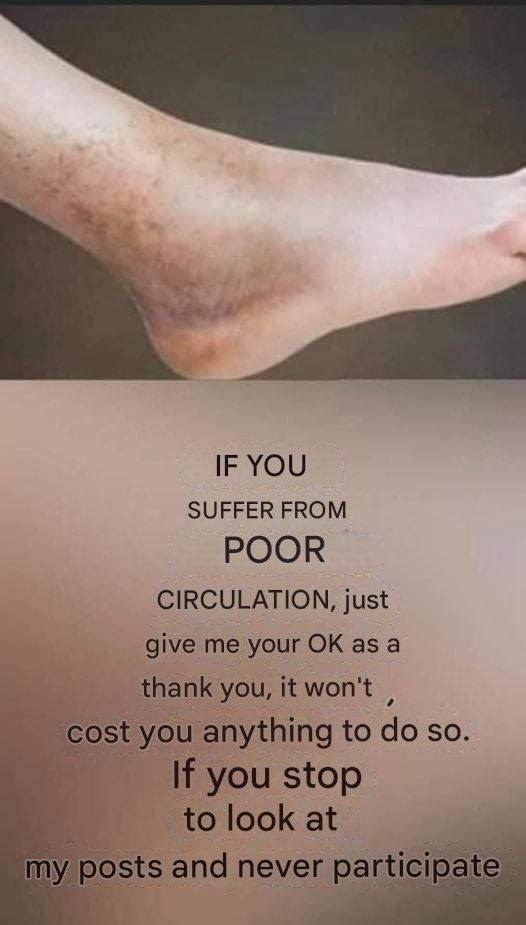
While there is no instant fix, small daily habits can significantly improve blood flow over time.
🚶 1. MOVE YOUR BODY REGULARLY
Movement is one of the most effective ways to support circulation.
Try:
- Walking every hour for a few minutes
- Stretching your legs while sitting
- Light exercise like walking or cycling
👉 Muscle movement helps push blood back toward the heart.
🦶 2. ELEVATE YOUR LEGS
Raising your legs above heart level for 10–15 minutes can help:
- Reduce swelling
- Improve blood return
- Relieve heaviness
This is especially helpful after long hours of standing or sitting.
🥗 3. EAT A BALANCED DIET
Healthy blood vessels support healthy circulation.
Focus on:
- Fresh fruits and vegetables
- Whole grains
- Healthy fats (olive oil, nuts, fish)
Limit:
- Excess salt
- Processed foods
- Sugary snacks
👉 A healthy diet supports overall vascular health.
💧 4. STAY WELL HYDRATED
Water helps maintain blood volume and flow.
Dehydration can make circulation slower and more difficult for the body.
🚭 5. AVOID SMOKING
Smoking is one of the most harmful habits for blood vessels. It reduces oxygen flow and damages circulation over time.
Stopping smoking can significantly improve vascular health.
🧘 6. REDUCE SEDENTARY HABITS
Even small changes make a difference:
- Stand up during phone calls
- Take short walking breaks
- Use stairs instead of elevators when possible
🏥 WHEN SHOULD YOU SEE A DOCTOR?
While mild symptoms are often lifestyle-related, medical attention is important if you experience:
- Persistent leg pain
- Severe swelling in one leg
- Skin color changes (blue, pale, or dark areas)
- Wounds that heal slowly
- Sudden or worsening symptoms
👉 These may indicate a more serious vascular issue that needs evaluation.
🌟 FINAL THOUGHTS
Feeling heaviness, coldness, or tingling in the legs can be uncomfortable, but in many cases it is linked to lifestyle habits and circulation patterns rather than serious disease.
The good news is that circulation is something you can often improve with consistent, simple changes like moving more, eating better, and staying hydrated.
However, persistent or severe symptoms should never be ignored and should be checked by a healthcare professional.
Your legs are often the first signal your body gives when something needs attention—listening to them early can help you stay healthier in the long run.