 Skip to content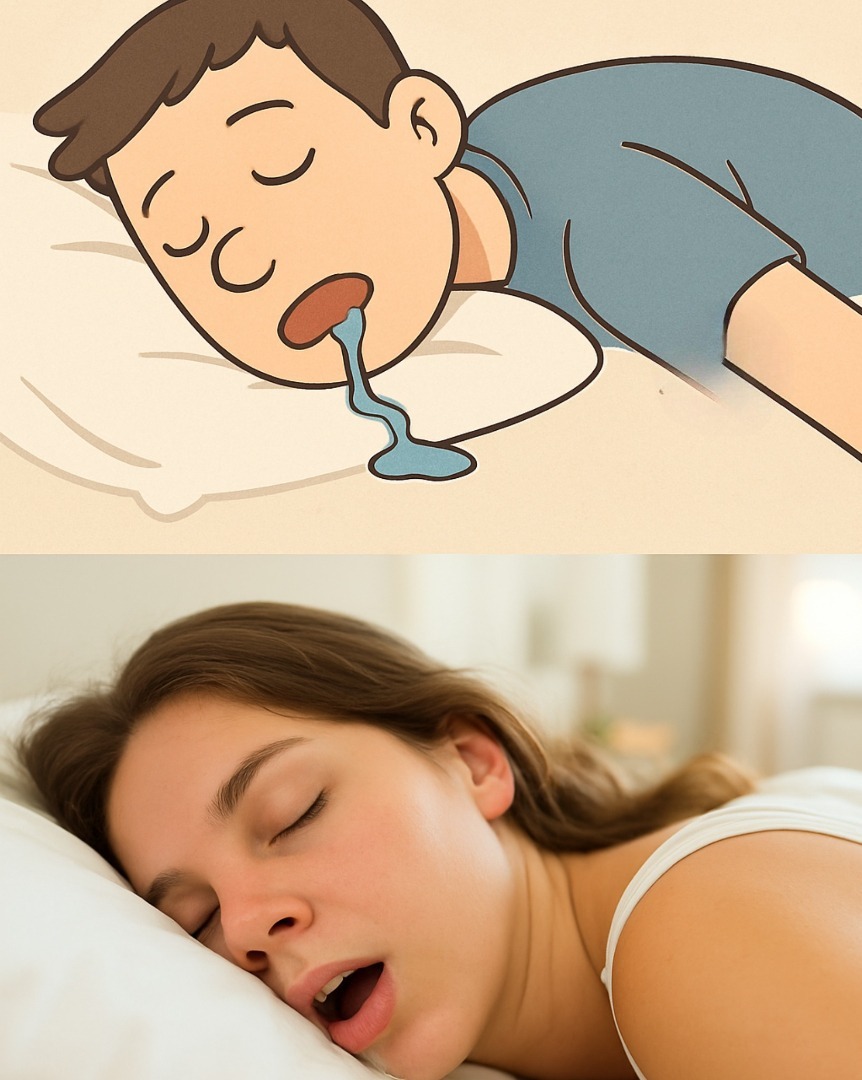
In most cases, no.
Drooling is completely normal and often harmless. However, you might want to pay closer attention if:
- It happens suddenly and frequently
- It’s combined with choking or gasping during sleep
- You feel tired despite a full night’s rest
- There are signs of breathing difficulties
These could indicate something worth discussing with a healthcare professional.
🌙 Simple Ways to Reduce Drooling
If it bothers you, there are a few easy adjustments you can try:
- Sleep on your back to reduce saliva leakage
- Keep your nasal passages clear (especially during allergy season)
- Stay hydrated to regulate saliva consistency
- Adjust your pillow to support proper head alignment
Small changes can make a big difference.
💡 The Hidden Message
Your body is constantly communicating with you—even while you sleep.
Drooling might seem trivial, but it’s part of a bigger picture:
- It can reflect deep, restorative sleep
- It can signal physical or environmental changes
- It can highlight how your brain and body work together
Instead of seeing it as something embarrassing, think of it as a tiny clue from your subconscious.
🌌 Final Thoughts
Sleep is one of the most mysterious and powerful processes your body experiences every day. And sometimes, the smallest details—like a damp pillow—can reveal the biggest insights.
So the next time you wake up and notice it, don’t be embarrassed.
Your brain might just be telling you: “I did some serious work last night.”