 Skip to content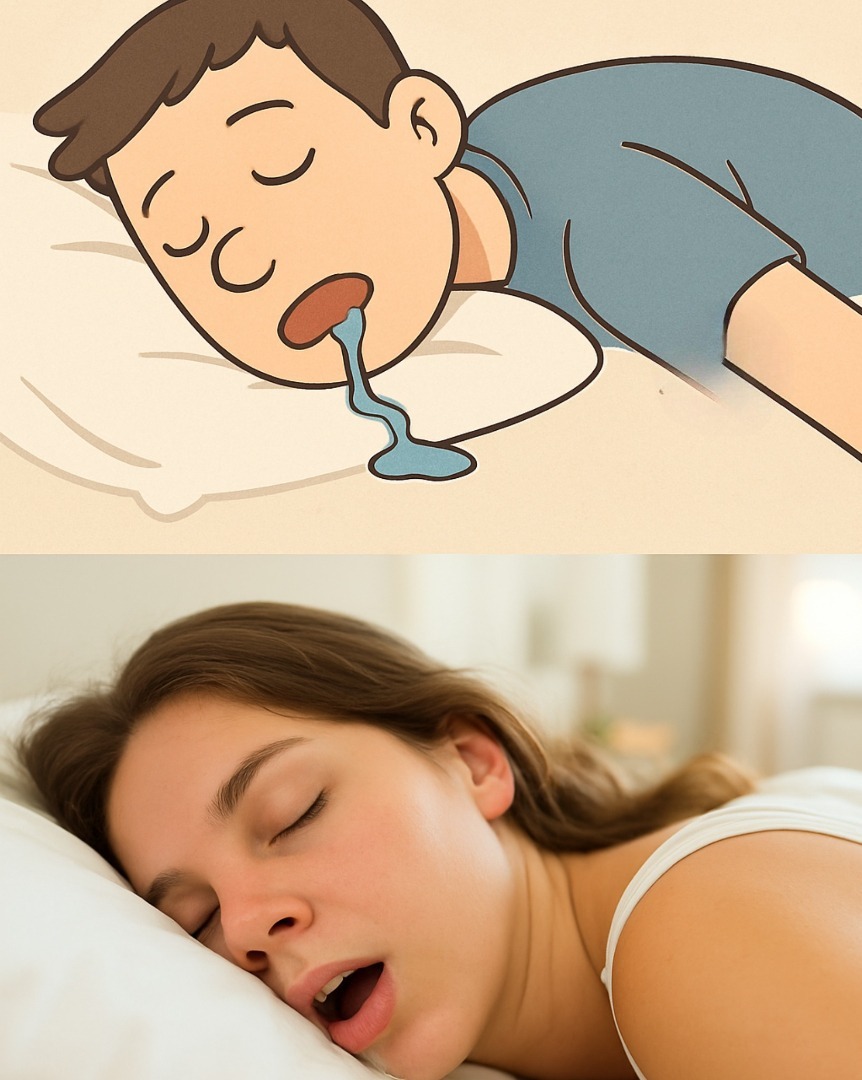
Ever woken up to find your pillow slightly… damp? It might feel embarrassing or even a little strange, but drooling during sleep is far more common—and far more interesting—than you think.
What if that small, unconscious act was actually your brain sending signals about your body, your habits, and even your overall health?
Welcome to the hidden world of sleep science, where even the tiniest details can reveal surprising truths.
🧠 Why Do We Drool in Our Sleep?
Drooling, also known as excessive saliva release during sleep, happens when your body relaxes so deeply that normal swallowing reflexes slow down. During the day, you automatically swallow saliva without even thinking about it. But at night, especially in deeper stages of sleep, that reflex becomes less active.
If your mouth is slightly open, gravity does the rest.
But here’s where it gets interesting: the way and frequency of drooling can hint at what your brain and body are doing behind the scenes.
😴 Deep Sleep = More Drooling?
If you tend to drool occasionally, it might actually be a good sign.
Drooling is often linked to deeper stages of sleep—particularly slow-wave sleep, which is the most restorative phase. During this stage:
- Your body repairs tissues
- Your brain consolidates memories
- Your energy levels are restored
So if you wake up well-rested (even with a damp pillow), your brain may have been doing exactly what it’s supposed to do.
🛌 Your Sleep Position Matters More Than You Think
One of the biggest factors behind drooling is your sleeping position.
- Side sleepers: More likely to drool because saliva can easily escape
- Stomach sleepers: Similar effect due to gravity and head position
- Back sleepers: Less likely, since saliva tends to stay in the mouth
If you’ve recently changed your sleeping position and noticed more drooling, your body is simply adapting.
🤧 When Drooling Signals Something Else
While occasional drooling is harmless, frequent or excessive drooling can sometimes point to underlying issues.
These may include:
- Nasal congestion or allergies (forcing mouth breathing)
- Sleep disorders like sleep apnea
- Acid reflux or digestive discomfort
- Certain medications that increase saliva production
Your brain isn’t “malfunctioning”—it’s responding to what’s happening in your body. Drooling, in this case, becomes a clue worth paying attention to.
🧬 The Brain–Body Connection During Sleep
Sleep is not just rest—it’s a highly active state where your brain regulates critical functions.
During the night:
- Breathing patterns shift
- Muscle control changes
- Nervous system activity fluctuates
Drooling can occur when the muscles around your mouth and throat are fully relaxed. This relaxation is controlled by your nervous system, meaning your brain is actively managing the process—even if you’re completely unaware.
😅 Emotional and Physical Exhaustion
Believe it or not, drooling can also be tied to how exhausted you are.
After intense physical activity or mental stress, your body may enter deeper, longer sleep cycles. The deeper you sleep, the more relaxed your muscles become—and the higher the chance of drooling.
So that “embarrassing” moment might actually mean your body really needed that rest.
⚖️ Should You Be Concerned?