 Skip to content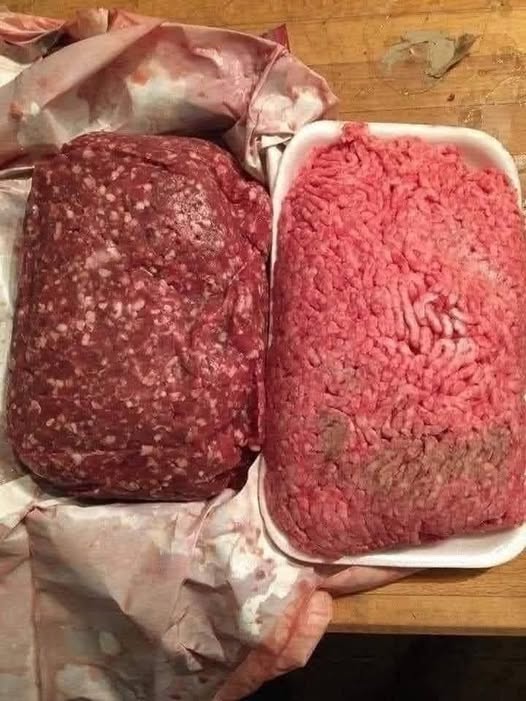
You don’t need to avoid supermarkets entirely—but being informed can help you make better decisions.
✔️ Read Labels Carefully
Look for clear information about origin, processing, and storage.
✔️ Check the Source
Some packaging specifies the country or region of origin.
✔️ Understand Dates
“Sell-by” and “use-by” dates don’t always reflect when the meat was produced.
✔️ Ask Questions
If you’re unsure, don’t hesitate to ask store staff or butchers for more details.
🥩 Alternatives to Consider
If transparency is important to you, there are other options worth exploring:
- Local butchers
- Farmers’ markets
- Direct-from-farm purchases
These sources can sometimes provide more information about how the animals were raised and how the meat was handled.
🌍 The Bigger Picture
Modern food systems are designed to feed billions of people efficiently. Supermarkets play a huge role in making food accessible and affordable.
But efficiency often comes at the cost of transparency.
Understanding where your food comes from isn’t about fear—it’s about awareness and making choices that align with your preferences and values.
💡 Final Thoughts
So, are supermarkets “fooling” you?
Not exactly. But they are presenting products in a way that emphasizes convenience and appeal—sometimes more than full transparency.
The good news is that you don’t need to be an expert to make better choices. A little curiosity and attention can go a long way.
Next time you’re standing in front of that neatly arranged meat section, take a closer look. What you discover might just change the way you shop—and eat—forever.