 Skip to content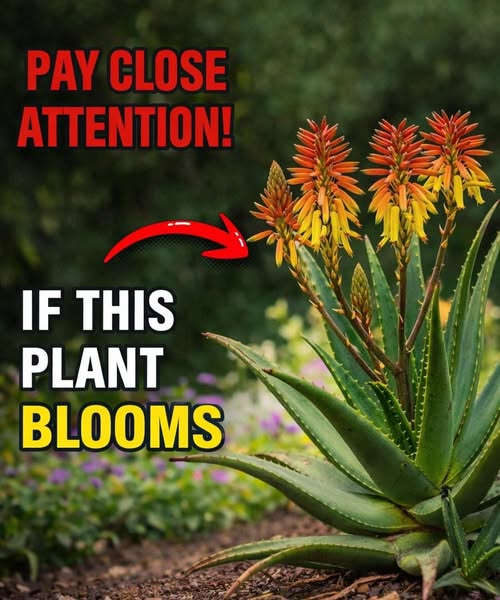
Aloe vera is one of the most famous plants in the world. Known for its healing gel, soothing properties, and air-purifying abilities, it’s a staple in homes, skincare routines, and even traditional medicine. But beyond its practical uses lies a lesser-known secret: the mystery of its blooms.
Unlike other plants that flower regularly, aloe vera blooms are rare and fascinating. Many people have had an aloe vera plant for years and never seen a single flower. So, why does this resilient plant decide to bloom? And what does it reveal about its health, environment, and life cycle? Let’s dive in.
🌱 Aloe Vera: More Than Just a Houseplant
Most people know aloe vera as a hardy succulent that can survive neglect. Its thick, spiky leaves store water, allowing it to endure dry conditions that would wither other plants. This toughness is part of its appeal—but it also explains why flowering is so rare.
Aloe vera doesn’t bloom as often as other plants because it’s focused on survival first. In nature, flowering consumes a lot of energy. The plant must be strong, mature, and well-cared for to spare the resources needed to produce flowers.
🌸 What Triggers Aloe Vera to Bloom?
There isn’t one simple answer, but experts agree that blooming is a combination of factors:
1. Age and Maturity
Aloe vera typically flowers when it reaches 3 to 4 years old. Younger plants, even if healthy, usually channel energy into leaf growth rather than blooms.
2. Environmental Conditions
Sunlight, temperature, and season play a big role. Aloe vera tends to flower in late winter or early spring, especially if it receives plenty of indirect sunlight and warmth.
3. Stress Can Help
Interestingly, mild stress—like slight drought—can sometimes encourage aloe vera to flower. The plant senses that its survival is challenged and triggers reproduction through blooms.
4. Nutrient Availability
A healthy, well-fed plant with balanced soil and occasional fertilizer is more likely to bloom. Fertilizers rich in phosphorus often encourage flowering in succulents.
🌺 What Do Aloe Vera Flowers Look Like?