 Skip to content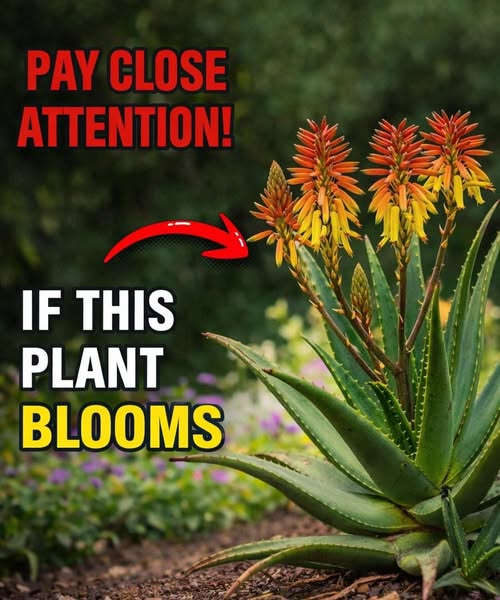
When aloe vera finally blooms, it produces tall stalks with tubular flowers in shades of orange, red, or yellow. The stalks can rise up to 3 feet high, dramatically taller than the leaves.
These blooms are not just beautiful—they’re designed to attract pollinators like birds, bees, and butterflies. In its native habitat, this ensures that the plant reproduces effectively, spreading seeds and securing the species’ survival.
🧠 The Science Behind the Bloom
From a scientific perspective, aloe vera blooms are an indicator of peak health and maturity. When a plant invests energy into flowers, it means:
- The leaves are well-hydrated and strong
- Photosynthesis is efficient, creating enough energy for reproduction
- Environmental conditions are favorable
Blooming is nature’s way of showing that the aloe vera plant has reached an ideal stage in its life cycle.
🌞 Can You Make Aloe Vera Bloom at Home?
Yes—but patience is key. Here’s how to maximize your chances:
- Provide Plenty of Sunlight – Aloe vera loves bright, indirect light. South-facing windows are ideal.
- Avoid Overwatering – Let the soil dry between waterings. Excess water can weaken the plant.
- Use Fertilizer Sparingly – Feed lightly with a succulent or cactus fertilizer in the growing season.
- Keep the Plant Happy – Healthy roots, mature leaves, and stable conditions all increase blooming chances.
Remember, some aloe vera plants may never bloom indoors, and that’s completely normal. Blooming is a bonus, not a requirement for a healthy plant.
🌿 Why Blooming Matters