 Skip to content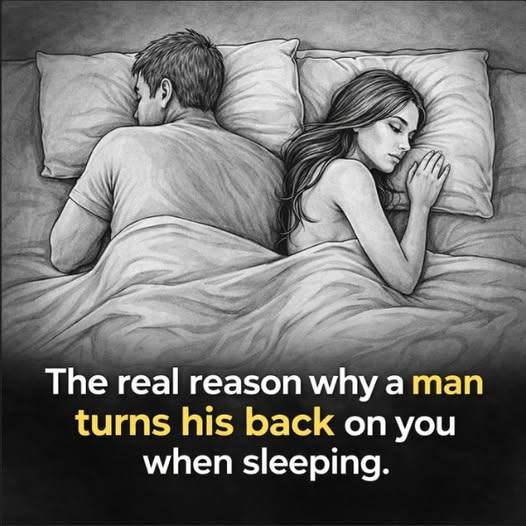
While most cases are harmless, context always matters.
If your partner:
- Avoids closeness only when awake
- Shows emotional distance during the day
- Withdraws communication consistently
Then it may reflect emotional space—but not because of sleeping position alone.
Sleep behavior by itself is not a reliable emotional indicator.
🤝 Different People Sleep Differently
Some common sleep styles include:
- 🛌 “Cuddlers” who like physical contact all night
- 🛌 “Space sleepers” who need room to rest comfortably
- 🛌 Mixed sleepers who change positions often
None of these styles are “right” or “wrong.”
They are simply habits.
🧘 Healthy Perspective in Relationships
Instead of reading meaning into sleep positions, relationship experts suggest focusing on:
- Communication during the day
- Emotional connection when awake
- Respecting personal sleep comfort
A strong relationship is built while you are awake—not while you are asleep.
🌟 Final Thoughts
If your partner turns their back while sleeping, it is almost always just a natural sleep behavior—not a hidden message about their feelings.
Bodies move. Sleep changes positions. Comfort comes first.
So instead of worrying about it, focus on the real signs of connection: trust, communication, and care during waking hours.
Because in most cases, sleep positions are just sleep positions—not emotional signals.