 Skip to content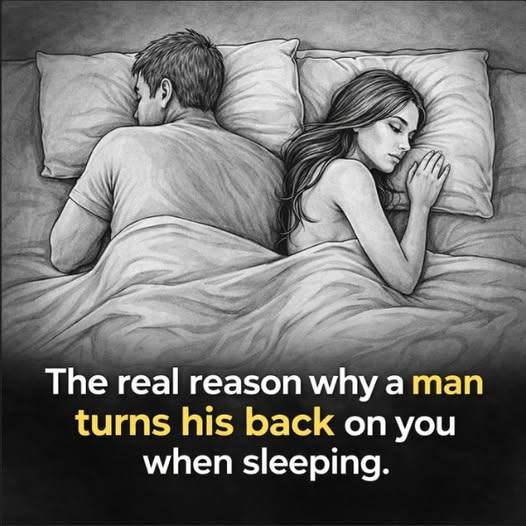
Many people overthink small behaviors in relationships—especially when it comes to sleeping. One of the most common concerns is when a partner turns their back while sleeping. Some assume it’s a sign of distance, coldness, or even emotional problems.
But is that really true? Or is it just normal human behavior?
Let’s look at what psychology and sleep experts actually say.
💤 First: It Usually Means NOTHING Negative
The most important truth is this:
👉 Sleeping position is rarely about emotions.
When someone turns their back while sleeping, in most cases it simply means:
- They are trying to get comfortable
- They naturally prefer that position
- They are regulating body temperature
- They are deep in sleep and moving unconsciously
Sleep is a highly physical process, not an emotional statement.
🧠 Your Brain Changes During Sleep
When we sleep, the brain behaves very differently than when we are awake. Conscious thoughts, emotional signaling, and social behavior are mostly “offline.”
This means:
- People don’t control their sleeping positions
- Movements are automatic
- Comfort becomes the only priority
So turning away is usually just the body finding the easiest way to rest.
🌡️ Temperature Is a Big Reason
One of the most common reasons people turn away during sleep is simple: temperature regulation.
Humans naturally adjust their position to:
- Cool down if they feel warm
- Reduce sweating
- Improve airflow while sleeping
If your partner turns their back, it might simply be because they are too warm—not because they are emotionally distant.
😴 Sleep Quality Matters More Than Closeness
People who are deep sleepers or restless sleepers often change positions multiple times per night.
This can include:
- Turning left or right
- Facing away
- Moving closer or further without awareness
It has nothing to do with feelings—it’s about sleep cycles and comfort.
❤️ When It CAN Be Emotional (Rarely)